
Granny Review: Horror Built Around the Cost of Making Noise

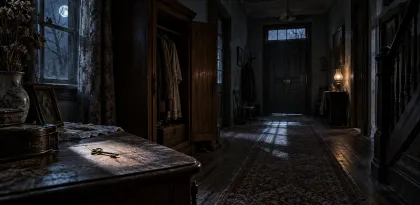

An ordinary object hitting a wooden floor is a small event. In Granny, the possibility that someone heard it can turn that event into the center of your attention. The game has an unusually direct horror premise: you are trapped in a house, and escaping requires doing things that may reveal where you are.
For readers deciding whether that sounds exciting or exhausting, the key distinction is between solving under pressure and watching a frightening story. Granny's documented design points toward the former. This is a source-based editorial review, not a report of completed escape attempts, and it makes no claims about performance on a particular phone.
A simple rule makes the house threatening
DVloper's official description establishes the essential rules: leave the house, avoid being detected, and remember that dropped objects can attract Granny. The description also names wardrobes and beds as hiding places and gives the player five days. That small set of facts explains the central risk without requiring a detailed walkthrough. Official Android listing.
The interesting consequence is that movement becomes a decision rather than neutral travel between puzzles. Getting somewhere may be easy to imagine; getting there without turning the journey into a chase is a different problem. The threat changes the meaning of otherwise mundane rooms and objects.
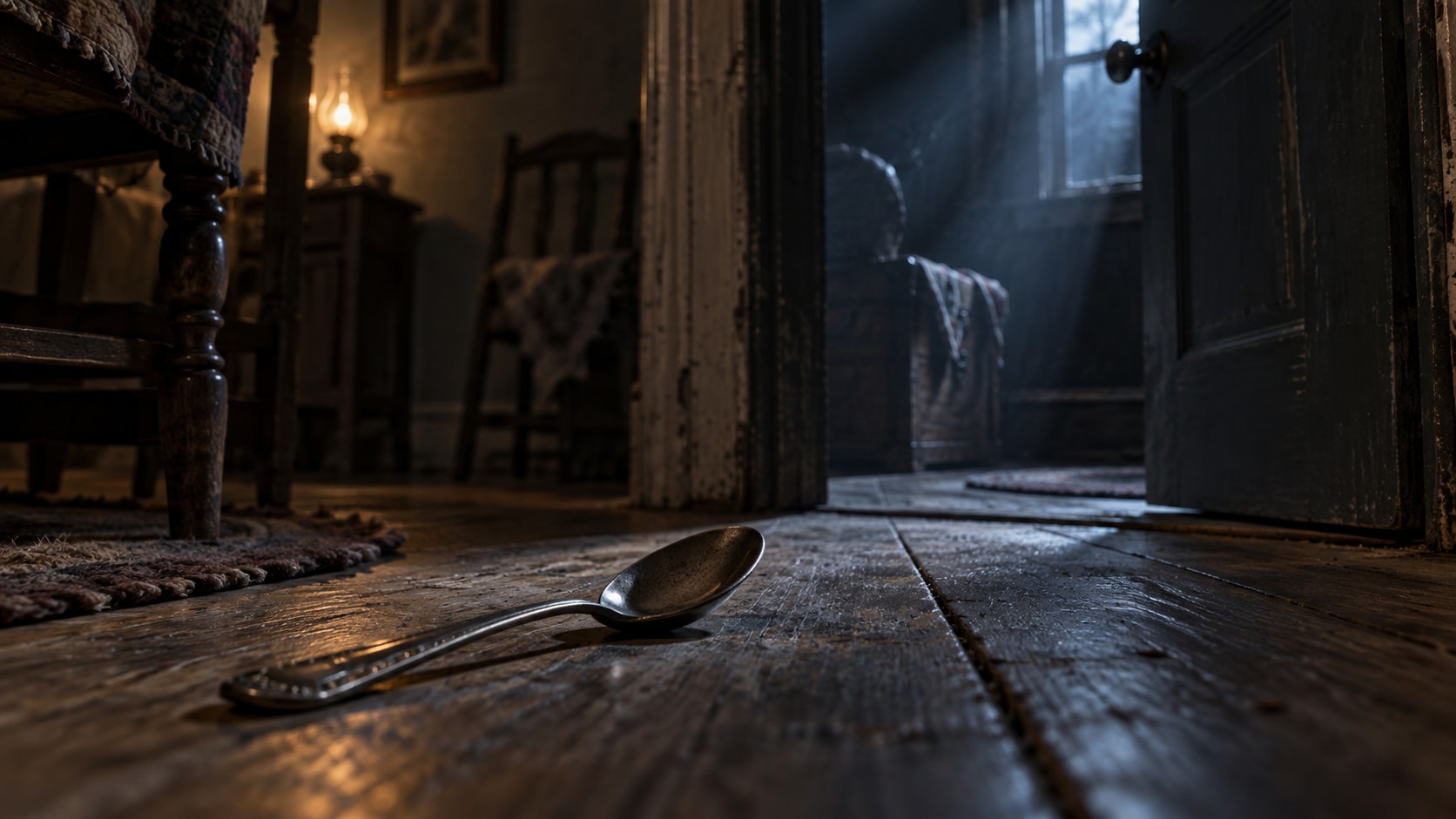
An ordinary dropped object illustrates the sound-driven premise; this is not a captured room from the game.
Sound-based horror works particularly well as an idea because the player can understand the mistake before seeing its consequence. A noise raises a question: did it reveal enough to matter? That uncertainty can sustain tension in an empty space. The house does not need something visually spectacular in every corner if the player is already listening for a response.
The same premise can become frustrating if you dislike cautious movement. Someone who wants to examine everything at leisure may find the threat intrusive rather than exciting. That is not a minor preference. The pressure is part of the puzzle, not a separate obstacle placed between you and the “real” game.
Hiding is a decision, not a complete plan
A hiding place offers temporary separation from danger, but hiding alone does not explain how to escape. As a way of thinking about the game, distinguish the place you want to reach from the place you could retreat to. Entering an unfamiliar area with only the first of those in mind makes every surprise more difficult to interpret.
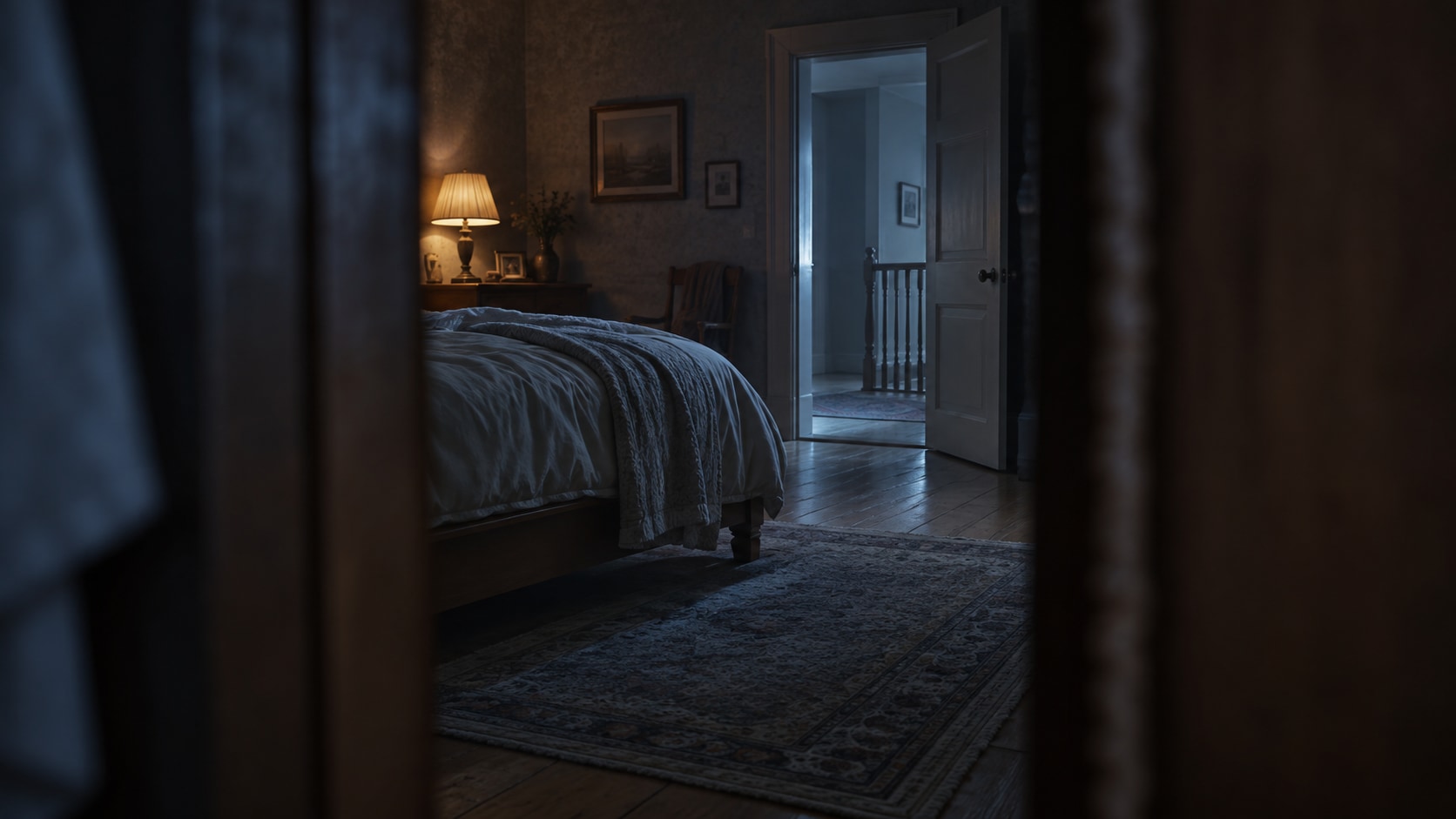
The wardrobe viewpoint conveys restricted information and waiting, not an exact safe location.
Before taking a risk, ask a practical question: if this goes wrong, what will I do next? The answer need not be an elaborate route. It can be as modest as remembering the last doorway or identifying a nearby hiding option. The value is in making the choice before panic takes over.
Waiting also has an informational cost. From a concealed position, you may feel safer while understanding less about the space beyond it. That makes the decision to leave interesting: remaining still cannot be the answer forever. A horror game with this structure asks you to exchange certainty for progress repeatedly.
There is no universal timing trick offered here. Enemy behavior, difficulty settings and game revisions are matters for the actual app, and this review has not tested them. The useful advice is the planning habit, not a fabricated number of seconds that supposedly guarantees safety.
Learn relationships instead of memorizing a magic route
For this kind of escape game, a failed attempt is more useful when it leaves a specific piece of knowledge. You might learn that two spaces connect, that a route is harder to navigate than expected, or that a risky action should wait until you have a retreat in mind. None of those lessons requires pretending that every run can follow a single perfect script.
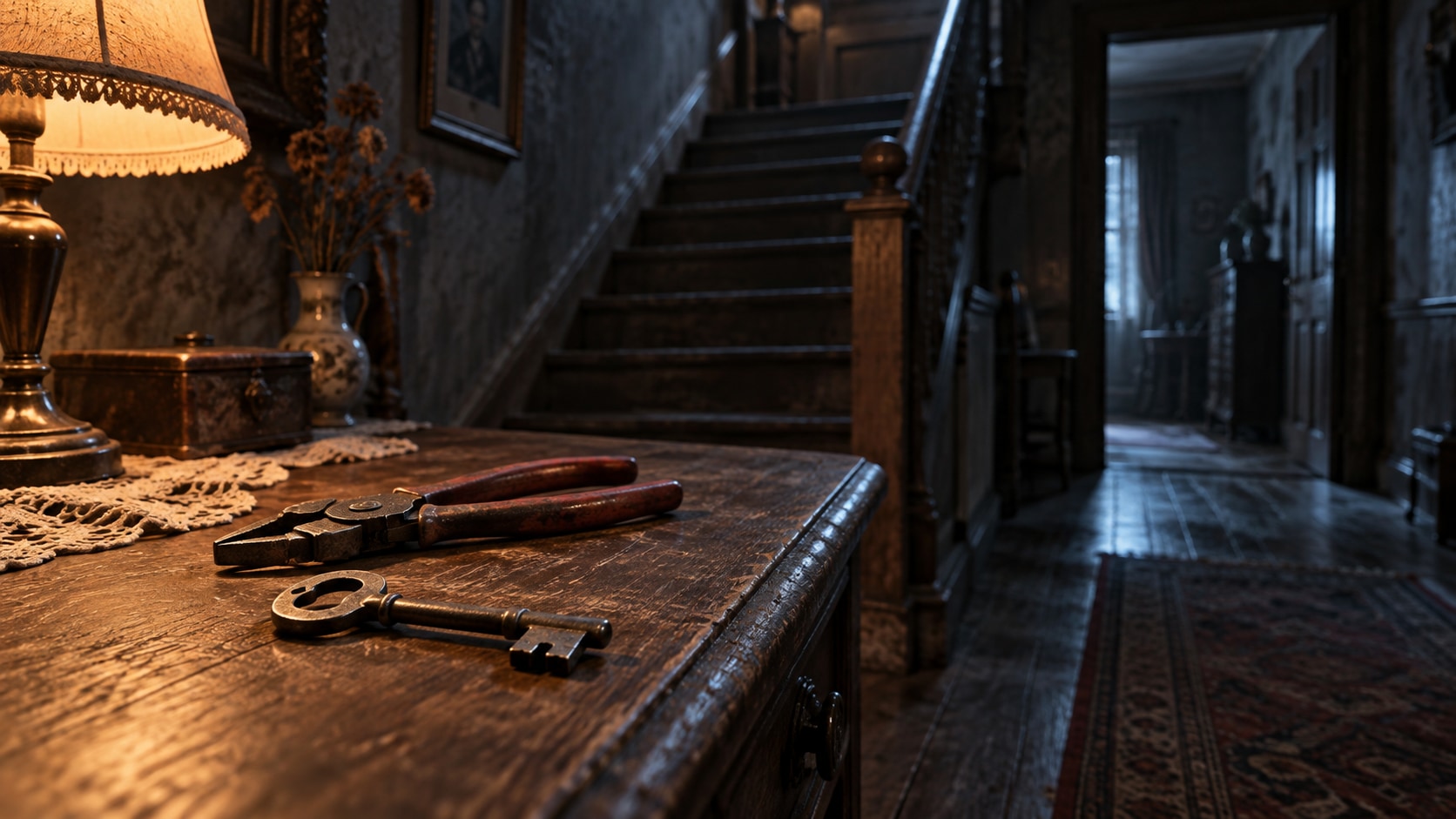
The tools and passages are an invented visual analogy for escape planning, not an item-location guide.
Give an early attempt a question to answer. “Can I recognize this part of the house?” is a more useful learning goal than “I must escape immediately.” Narrow goals turn exploration into information gathering. They also make it easier to tell whether an unsuccessful attempt was genuinely wasted.
External walkthroughs can remove a particular obstacle, but they can also remove the uncertainty that makes the premise interesting. Decide which part you want help with. Looking up a control you do not understand is different from following an entire route without exploring. Neither choice is inherently wrong; they simply produce different kinds of enjoyment.
The five-day premise creates an understandable sense of limited opportunity. It should not become a demand that your first sessions end successfully. A puzzle can be difficult because its relationships are unfamiliar, while a horror setting makes that unfamiliarity feel urgent. Separating those two feelings can make the experience easier to evaluate.
Choose the right setting to play
This is not an ideal recommendation for every short idle moment. A game organized around noticing danger benefits from attention that is not constantly being pulled elsewhere. If you try it, use a comfortable listening level and a setting where you can pause your own activity safely. There is no reason to turn up the volume excessively to prove that you are taking the horror seriously.
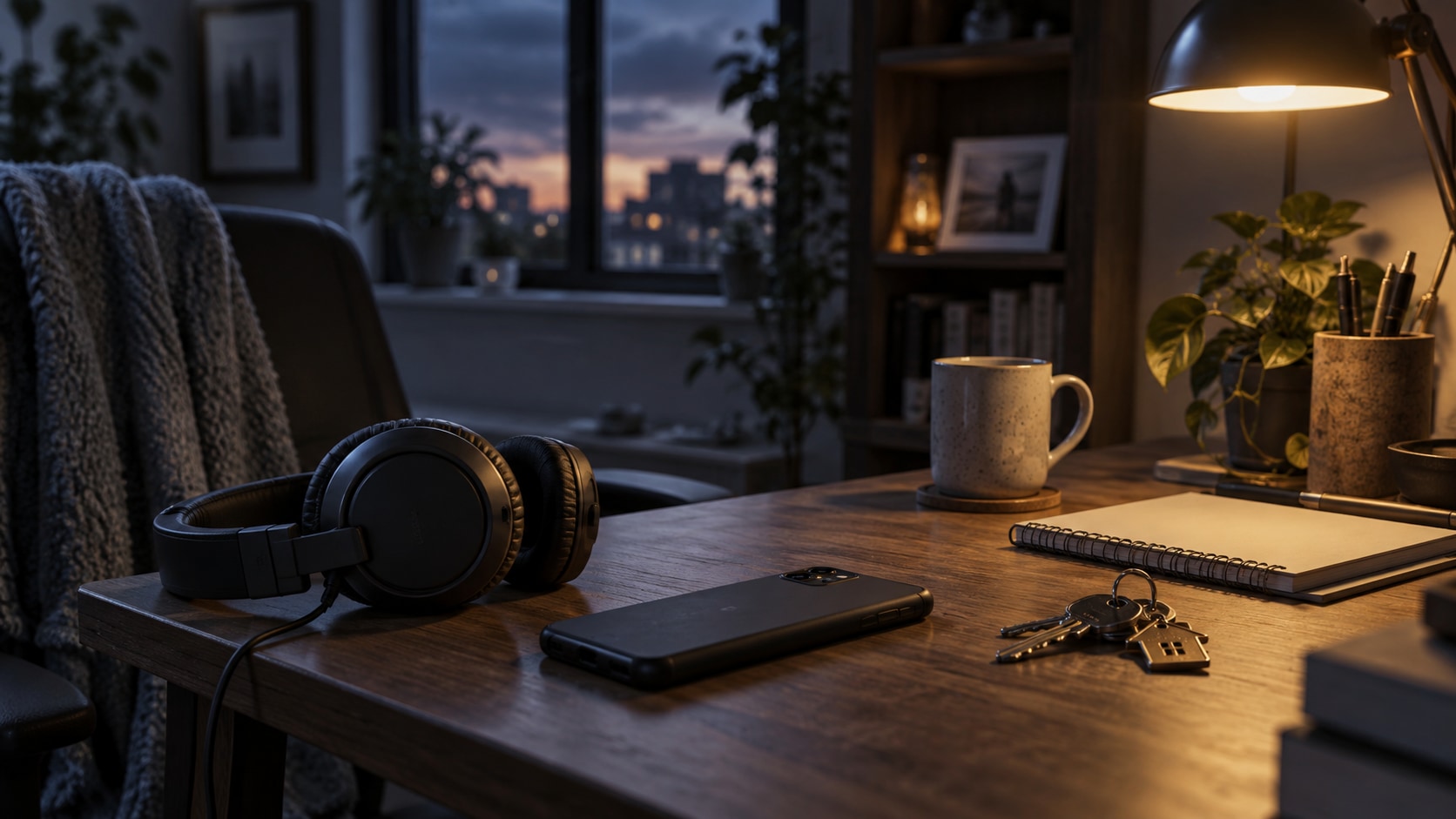
A calm play space is an out-of-game illustration, not a device-performance demonstration.
The store listing carries a Teen rating with violence and blood descriptors, and discloses advertising and in-app purchases. Those are relevant cautions for shared devices and younger audiences, even though the illustrations accompanying this article intentionally avoid graphic imagery. Check the current local rating and purchase settings before handing the game to someone else. Official Android listing.
Verdict
Granny has a clear audience: players who enjoy learning a hostile space while managing the consequences of their own actions. The attraction is the tension between needing to investigate and wanting to remain unnoticed. A creaking, uncertain house is enough of a premise if that tension interests you.
It is a less convincing choice for players who want relaxed exploration, frequent narrative rewards or immediate forward progress. Repetition and caution are not incidental concerns here; they follow directly from the design. Try it for the process of learning to escape, not because you expect a quick tour of a scary house.
Editorial disclosure: Official information was checked on September 26, 2026. This is a design assessment without hands-on escape, difficulty or device testing. All images are AI-generated editorial illustrations and do not establish the game's actual layout, item positions or visual fidelity.


.webp?x-oss-process=image/resize,w_80/format,webp)