
Honkai: Star Rail Review: Turn-Based Team Strategy Across a Space-Fantasy Journey



Honkai: Star Rail pairs a cinematic galaxy-hopping story with turn-based battles that reward matching a team to enemy weaknesses.

What You Actually Do
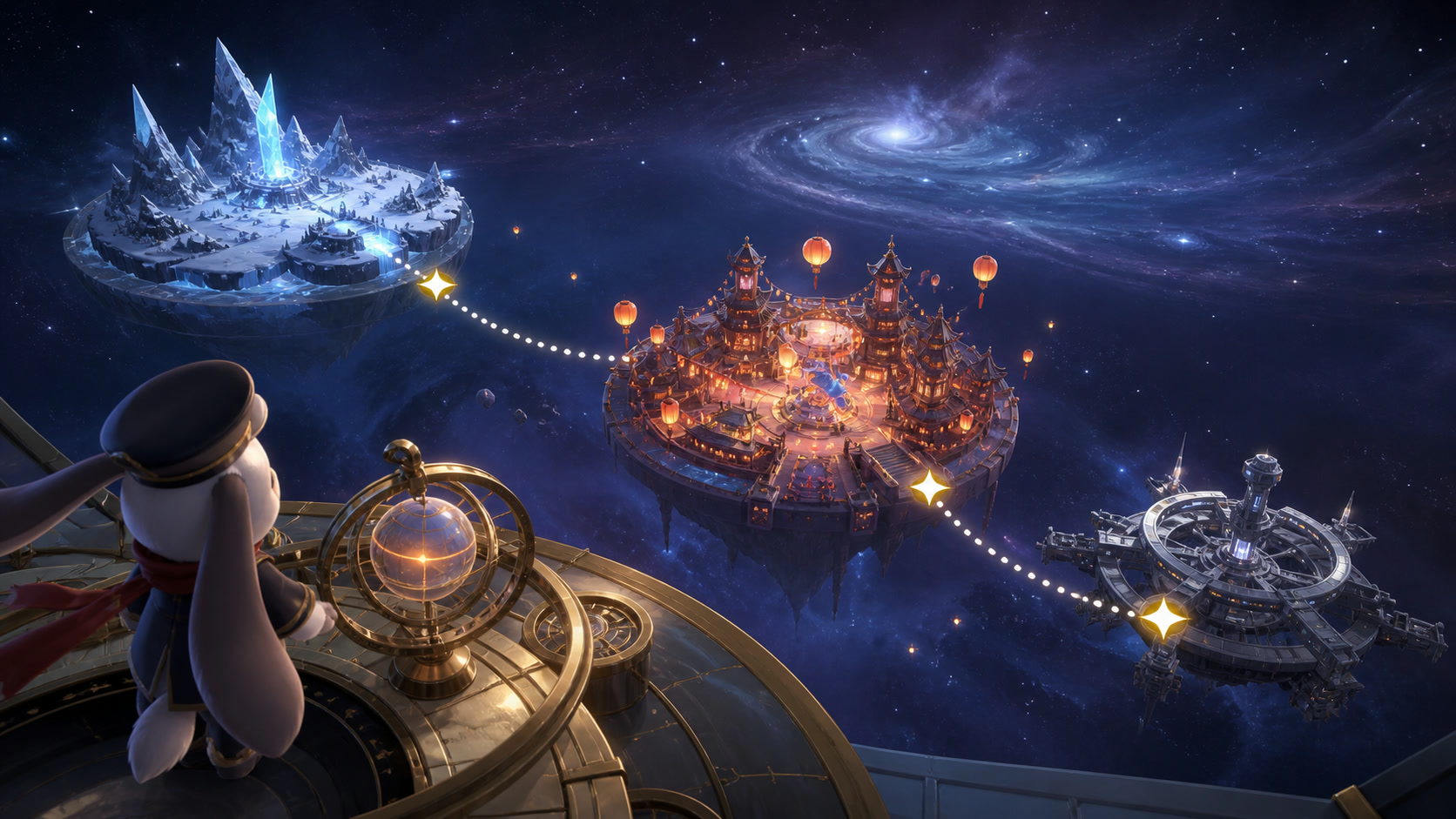
Honkai: Star Rail frames its adventure around travel from one distinct world to another. You move through story areas, meet new companions, investigate side paths, and enter battles that stop the journey long enough to ask for a tactical choice. The presentation is cinematic, but the play loop is clear: explore a location, assemble a team, read the enemy, then use the result to push the story or collect resources for the next challenge.
That focus gives Honkai: Star Rail a clear identity. The game does not need to be played in one giant sitting. A strong session has a small aim, a visible result, and a natural point to stop. Start with the feature that made you install it, learn one part of the loop, and let the next activity earn its place instead of treating every menu as a requirement.
The Systems That Give the Game Its Shape
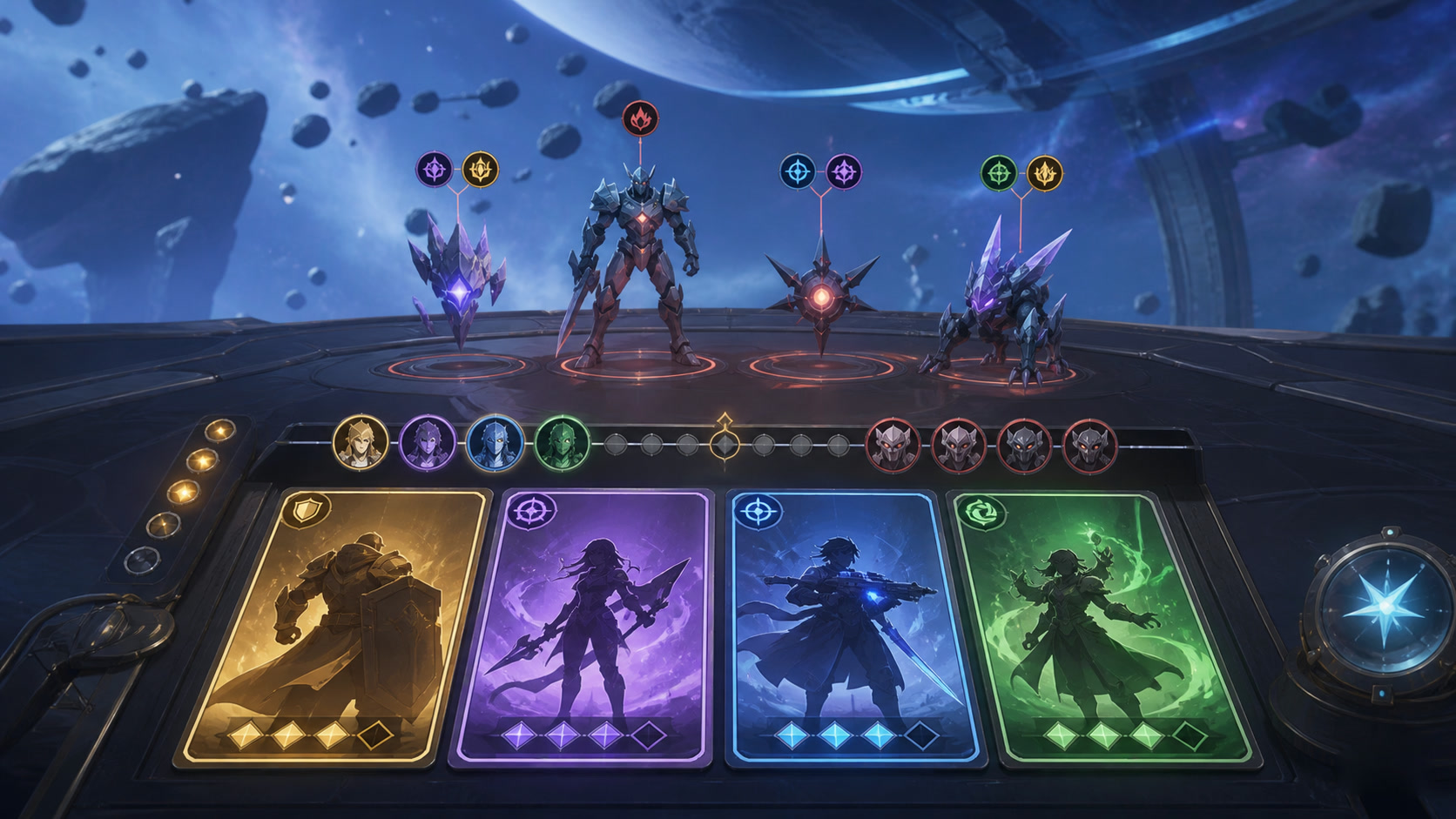
Turn-based combat gives each character role a practical job. Teams work around attacks, support, defense, follow-up actions, damage over time, and the ability to break an enemy weakness. A good turn matters because spending points at the wrong moment can leave the team without an answer for the next attack. That makes the game easier to learn than a reflex-heavy action RPG, while still leaving room to experiment with lineups and timing.
The useful question is not whether there is always something to tap. It is whether each action changes the next decision. In Honkai: Star Rail, the best moments arrive when you notice that a familiar activity can serve a more specific purpose. A route, a resource, a team slot, a cosmetic choice, or a puzzle position becomes more valuable once you know what it is meant to support.
A Better Way to Start
Build one dependable team before trying to prepare every new character. In battle, scan weaknesses first, preserve resources for key turns, and use routine encounters to test a team’s rhythm. Outside combat, pace the story as a journey rather than a rush. A small area of exploration, one progression task, and one story section make a satisfying session without turning the game into a daily obligation.
Resist the urge to measure the first hour against a finished account or a late-game video. Learn the basic controls, identify one system you enjoy, and build a repeatable habit around it. A review can describe a game’s feature set, but your own session structure decides whether it feels rewarding or exhausting.
Your First Session
For the opening hours, pay attention to why each turn changes the next one. Use ordinary fights to learn when an enemy weakness can be broken, when a support action is worth the point cost, and how a follow-up can alter the order of play. That knowledge makes the early roster feel more coherent. A concise roster plan also leaves more time to enjoy the story scenes between combat encounters.
Who Will Enjoy Honkai: Star Rail
Honkai: Star Rail is a strong choice for players who enjoy turn-based planning, character stories, and high-production science-fantasy settings. It is less suitable for players who want real-time combat or a game without collection systems. Its best feature is the way a thoughtful team decision can turn a difficult encounter into a controlled sequence of turns.
Before You Install
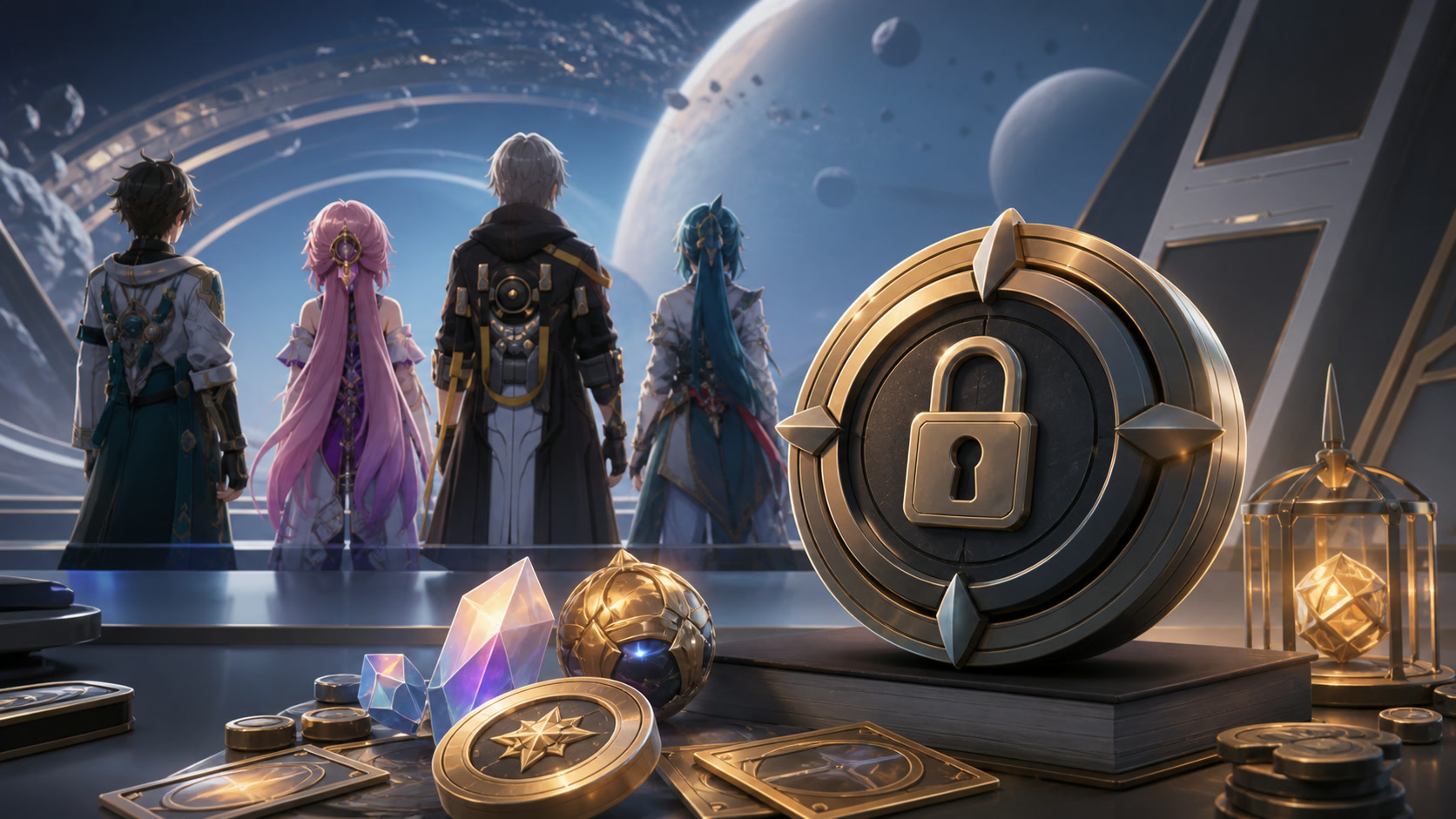
The listing states that optional in-game purchases include random virtual items. Treat character collection as optional, set a budget in advance, and keep the main progression plan separate from impulse pulls.
Final Verdict
Honkai: Star Rail delivers turn-based space RPG in a format that is easy to return to once you understand its main loop. Give the opening sessions a simple purpose, keep optional systems in perspective, and decide early which parts of the game are worth your time. That approach makes the experience clearer, more personal, and easier to enjoy on its own terms.


.webp?x-oss-process=image/resize,w_80/format,webp)