

Acerca de بيتزا Pizza
Pizza: A Global Culinary Phenomenon
Pizza is more than just a dish; it’s a cultural icon that has transcended borders and evolved into a global phenomenon. Its journey began in the eastern Mediterranean regions like Greece and Turkey, where ancient civilizations cooked flatbreads topped with various ingredients such as meats and vegetables. These early versions were simple yet flavorful, showcasing the ingenuity of local cuisines. The concept eventually made its way to Italy, where the Italians refined it by adding tomato sauce and mozzarella cheese, creating what we now recognize as classic Neapolitan pizza. This innovation not only elevated the humble flatbread but also laid the foundation for modern pizza as we know it today.
As Italian immigrants migrated to America in the late 19th and early 20th centuries, they brought their beloved culinary traditions along with them. Initially, pizza was sold within Italian-American enclaves in major U.S. cities like New York and Chicago. Over time, however, this delicious creation captured the hearts—and stomachs—of people from all walks of life. Today, pizza is no longer confined to specific neighborhoods or ethnic groups; instead, it enjoys universal acclaim across continents and cultures. In fact, Naples remains the spiritual home of pizza, credited with inventing the Margherita style, which features a red tomato base, white mozzarella, and green basil leaves—a nod to Italy's flag.
The versatility of pizza is perhaps its most remarkable trait. Traditional recipes typically include a crust made from wheat flour, olive oil, yeast, water, and salt, paired with tomato-based sauce, fresh mozzarella, and toppings like pepperoni or mushrooms. However, over the years, countless variations have emerged to suit diverse tastes and preferences. For instance, Four Cheese Pizza replaces traditional toppings with an assortment of cheeses such as gorgonzola, ricotta, parmesan, and fontina. Sausage Toast Pizza combines savory sausages with buttery toast for an indulgent twist. Hot Cheese Pizza takes simplicity to another level by focusing solely on gooey melted cheese atop crispy dough. Meanwhile, Easy Vegetable Pizza offers a lighter option featuring colorful bell peppers, zucchini, and spinach. Charcoal-grilled Vegetable Pizza adds smoky depth through grilling techniques, while Chicken Pizza introduces lean protein options for health-conscious diners. Spinach with Cheese Pizza marries earthy spinach leaves with creamy cheese layers, appealing to vegetarians. Chicken and Jalapeño Pizza caters to those who enjoy spicy flavors, whereas Sausage Pizza satisfies hearty appetites. Turkish Pizza incorporates Middle Eastern spices and ingredients, offering something truly unique. Even BBQ Chicken Pizza brings together tangy barbecue sauce with tender chicken slices, proving that pizza knows no boundaries when it comes to flavor combinations.
In conclusion, pizza stands as a testament to human creativity and adaptability. Whether enjoyed casually at home, shared among friends during social gatherings, or savored at upscale restaurants, pizza continues to bring joy and satisfaction to millions around the world. From its modest beginnings in ancient Greece and Turkey to its current status as a household staple, pizza remains a timeless symbol of connection and community—a true masterpiece of gastronomy.
Capturas de pantalla de بيتزا Pizza
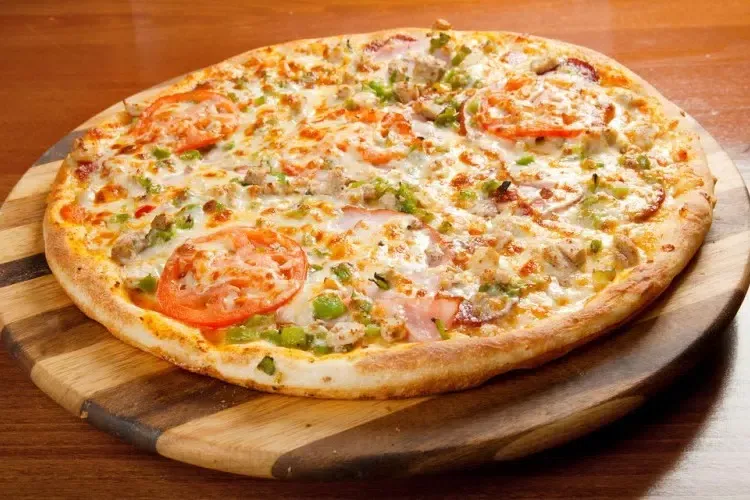


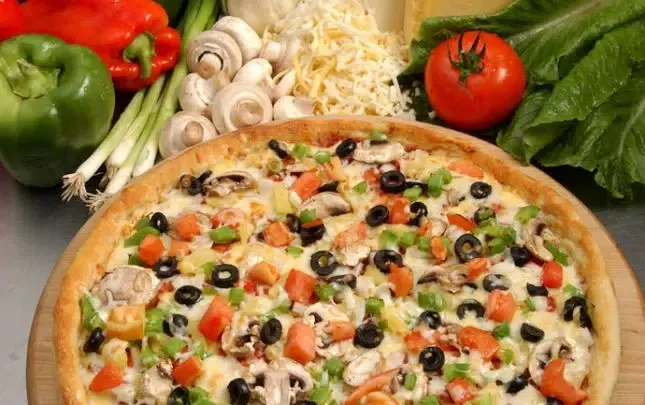




Versiones antiguas de بيتزا Pizza





Recomendación del editor


Aplicaciones similares a بيتزا Pizza


Aplicaciones de Apps.4.You
Reseñas de usuarios
+ Reseñas
Más popular


