
Tile Explorer Review: Relaxing Triple Match With Move-by-Move Pressure

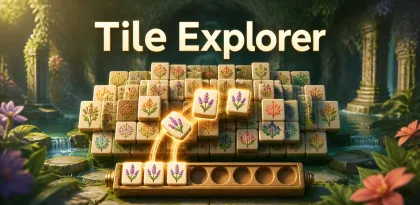

Tile Explorer is a triple-match puzzle game built around selecting visible tiles, placing them in a limited tray, and clearing sets of three. The official listing promotes thousands of puzzles and scenic progression through beaches, rainforests, and other calm backdrops. Google Play currently shows 100M+ downloads and a Everyone content rating. The listing was updated on Aug 19, 2026, so features and offers should still be checked in the installed version.
Popularity is a useful discovery signal, not proof of quality. This review therefore focuses on the decisions the game repeatedly asks you to make, the systems that support or distract from those decisions, and the practical limits around money, privacy, age, and hardware.
The Core Loop
A tap moves one exposed tile into the tray. Three identical tiles disappear, but unmatched pieces occupy space and can end the run. The important decision is not merely finding a pair; it is ensuring that the third tile can become accessible before the tray fills.
The first hour should be used to learn feedback rather than to maximize rewards. Notice what the game communicates clearly, what it hides behind menus, and which mistakes create knowledge for the next attempt. A healthy loop makes failure or delay informative; a weak loop merely asks for another tap, another ad, or another purchase.
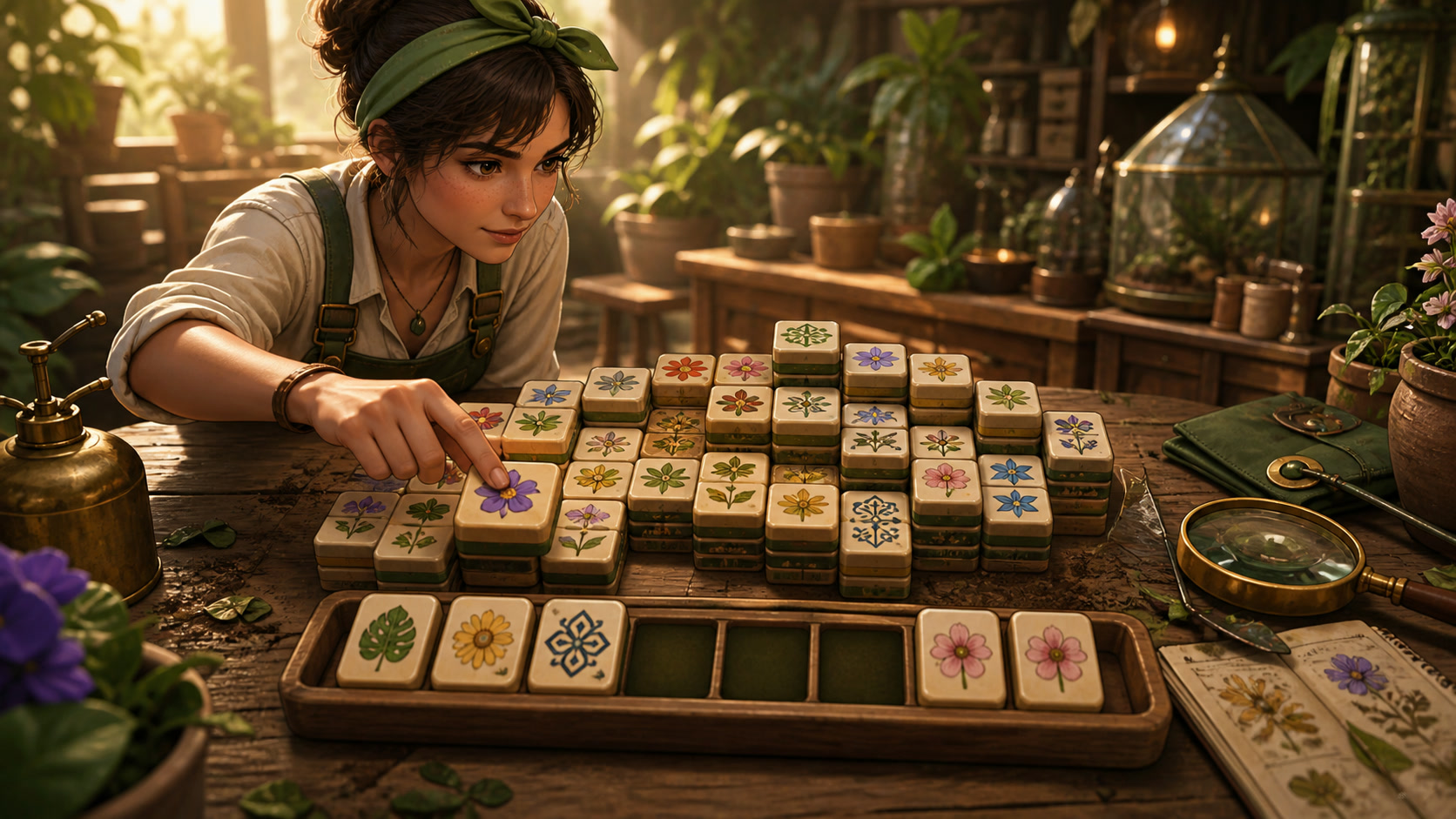
Editorial illustration: the loop is easiest to understand when every action has a visible consequence.
The Systems Around the Main Mechanic
Layered boards hide pieces beneath one another, so removal order changes what can be reached. Scenic chapters provide a sense of travel, while new layouts and obstacles increase planning demands. Boosters can rescue a mistake, but they also make it easy to skip learning why the tray became blocked.
These supporting systems matter because they shape the pace between active moments. The best ones create a meaningful decision before the next round. The weaker ones add collection, notifications, or currency without changing how the player thinks. New users should learn the central mechanic first and add optional systems only when their purpose is clear.
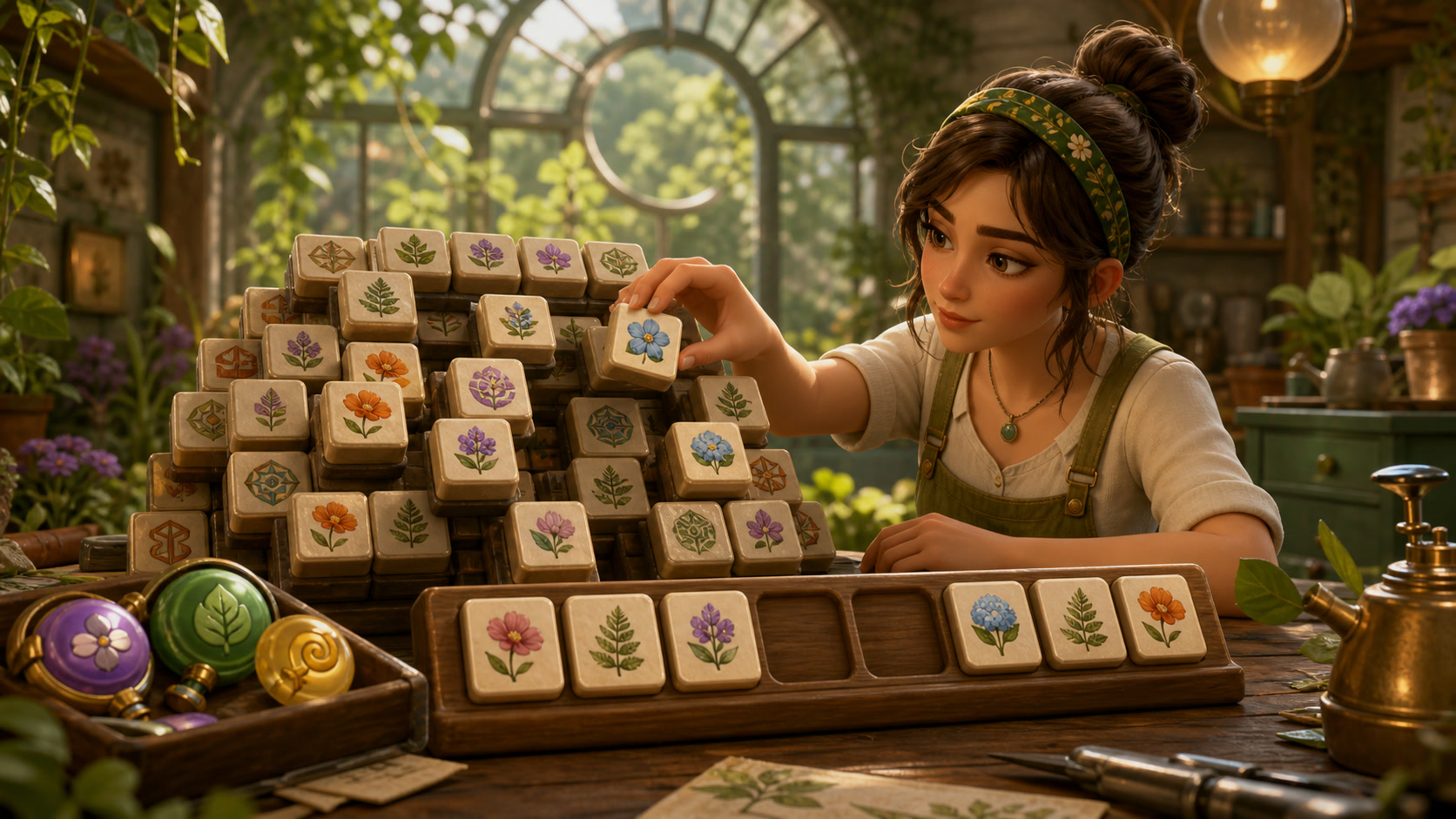
Editorial illustration: separate the central mechanic from the progression systems wrapped around it.
Progression: A Better Way to Improve
Scan the whole board before the first tap, identify scarce symbols, and avoid opening too many partial sets. When stuck, replay with a different opening rather than following the same visual attraction. A calm pace is more useful than rapid tapping, even when the presentation is intentionally soothing.
A useful routine is to choose one measurable goal for a session, stop when attention falls, and review one mistake before starting again. This avoids confusing time spent with skill gained. Event calendars, streaks, or daily rewards may be convenient, but they should not decide whether a session continues after it stops being enjoyable.
Ads, Purchases, and Random Rewards
Google Play labels the app as containing ads and in-app purchases. No random-item disclosure appears in the captured listing. Booster offers and continue prompts often arrive at the moment of failure, so decide a purchase policy before playing and do not spend simply to protect a streak.
Store labels describe the current distribution page, not every screen a player may see after a future update. Before paying, confirm the exact item, currency, renewal rule, refund route, and whether the benefit survives account loss or a service shutdown. Randomized rewards deserve a lower budget than direct purchases because the desired result is not guaranteed.

Editorial illustration: enjoyment improves when money, time, and device constraints are decided in advance.
Device and Performance Expectations
The game is visually lighter than a 3D action title and works naturally in short sessions. Connected support, purchases, rewards, and updates still need a stable account path. Keep enough storage for new level content and verify recovery before changing devices.
Compatibility on Google Play means the store allows installation; it does not promise identical frame rate, battery use, controller support, or network quality on every model. Keep the operating system and app current, use official downloads, and avoid third-party “performance” tools that request excessive permissions.
Privacy, Younger Players, and Healthy Sessions
The Everyone rating fits the calm art and puzzle content, but repeated rewards, ads, and purchase prompts are separate design concerns. For children, use purchase authentication and discuss why a “relaxing” game can still encourage repeated check-ins or frustrated spending.
Use a unique password when an account is required, enable platform purchase authentication, and do not share recovery codes. For a child’s device, review permissions and social features together with the child. A content rating addresses themes such as violence or language; it is not a complete judgment about spending design, chat, advertising, or privacy.
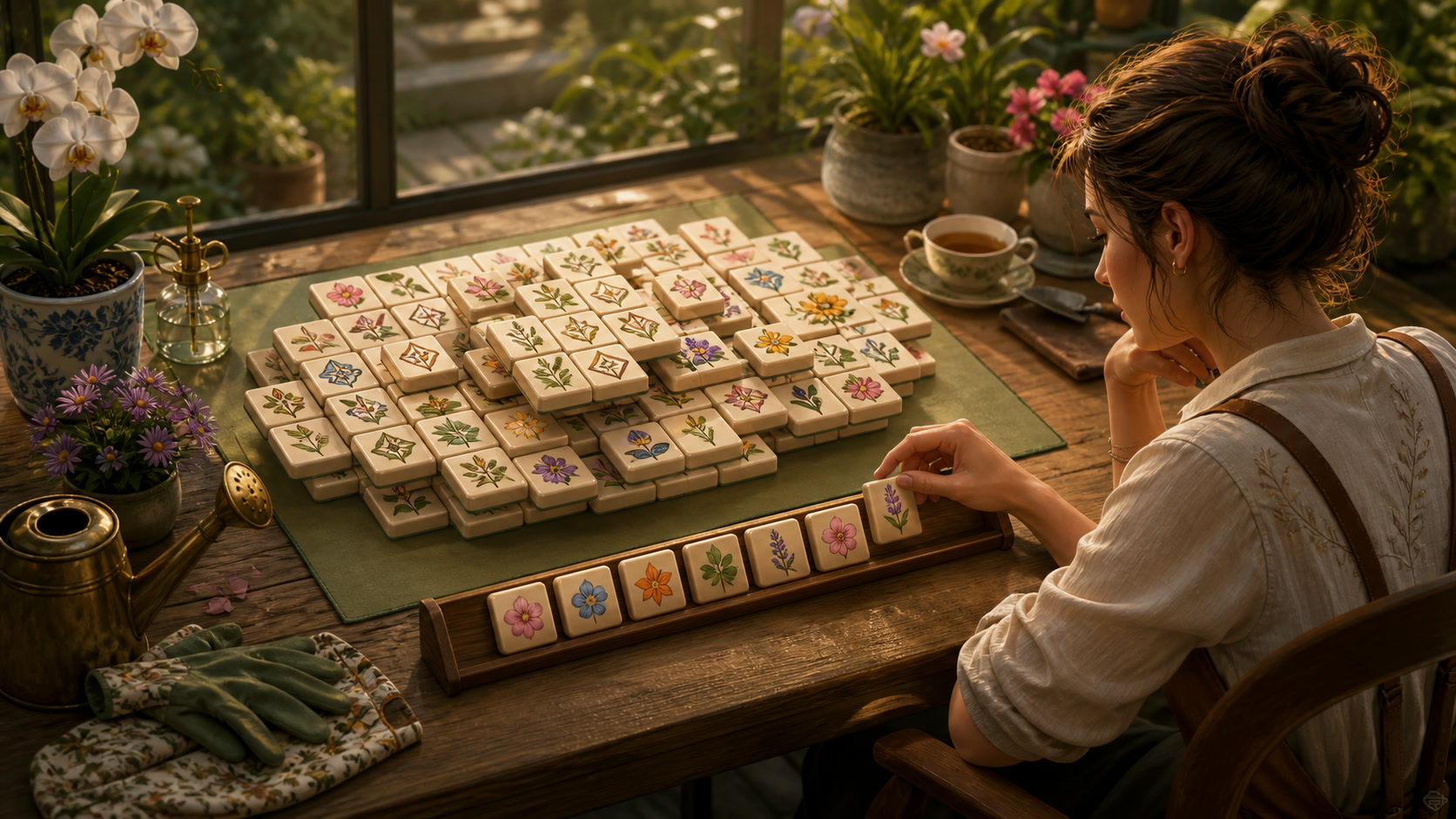
Editorial illustration: the best recommendation depends on fit, not popularity alone.
Who Is It For?
This is a strong fit for players who enjoy pattern recognition, layered boards, short puzzle sessions, serene themes, and planning several taps ahead. It is a weaker recommendation for players who dislike limited trays, booster prompts, repeated layouts, or puzzle systems that mix relaxation with failure pressure.
Strengths and Weaknesses
Strengths
- Simple tap controls reveal strategic depth
- Layering makes removal order meaningful
- Scenic chapters create a calm atmosphere
- Short levels fit small breaks
Weaknesses
- A full tray can end a run abruptly
- Boosters may weaken the learning loop
- Ads and purchases can disrupt relaxation
- Long-term structure may become repetitive
Final Verdict
Tile Explorer is at its best when the player slows down enough to see beyond the next match. The tray is not storage; it is the central resource. That small twist makes calm boards surprisingly tactical. Keep purchases outside the frustration moment and the game can serve as a pleasant, deliberate puzzle routine.
The practical recommendation is to install from an official source, test the first session without spending, and decide in advance what would make the game worth keeping. A popular title earns attention; it still has to earn time, storage, money, and trust on the player’s own device.


.webp?x-oss-process=image/resize,w_80/format,webp)