
Vlad & Niki 12 Locks Review: Clay-Style Puzzle Rooms for Kids

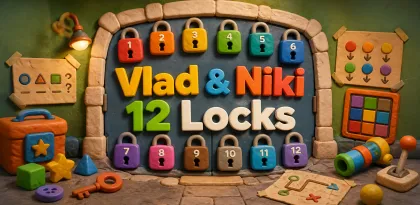

Vlad & Niki 12 Locks is a family puzzle adventure in which a biscuit jar secured by twelve locks becomes the first of many quest rooms. The official listing highlights plasticine-style graphics, music, object puzzles, and mini-games involving cars, planes, space, pirates, zoos, holidays, and superheroes. The official Google Play page confirms the Android package, although the captured page does not expose every store metric. The listing was updated on Aug 2, 2026, so features and offers should still be checked in the installed version.
Popularity is a useful discovery signal, not proof of quality. This review therefore focuses on the decisions the game repeatedly asks you to make, the systems that support or distract from those decisions, and the practical limits around money, privacy, age, and hardware.
The Core Loop
Each room asks the player to inspect the scene, find clues, manipulate objects, solve a small logic task, and use the result to open another lock. Progress is visible because every solved mechanism removes one barrier. Mini-games interrupt the search rhythm with simple action sequences.
The first hour should be used to learn feedback rather than to maximize rewards. Notice what the game communicates clearly, what it hides behind menus, and which mistakes create knowledge for the next attempt. A healthy loop makes failure or delay informative; a weak loop merely asks for another tap, another ad, or another purchase.
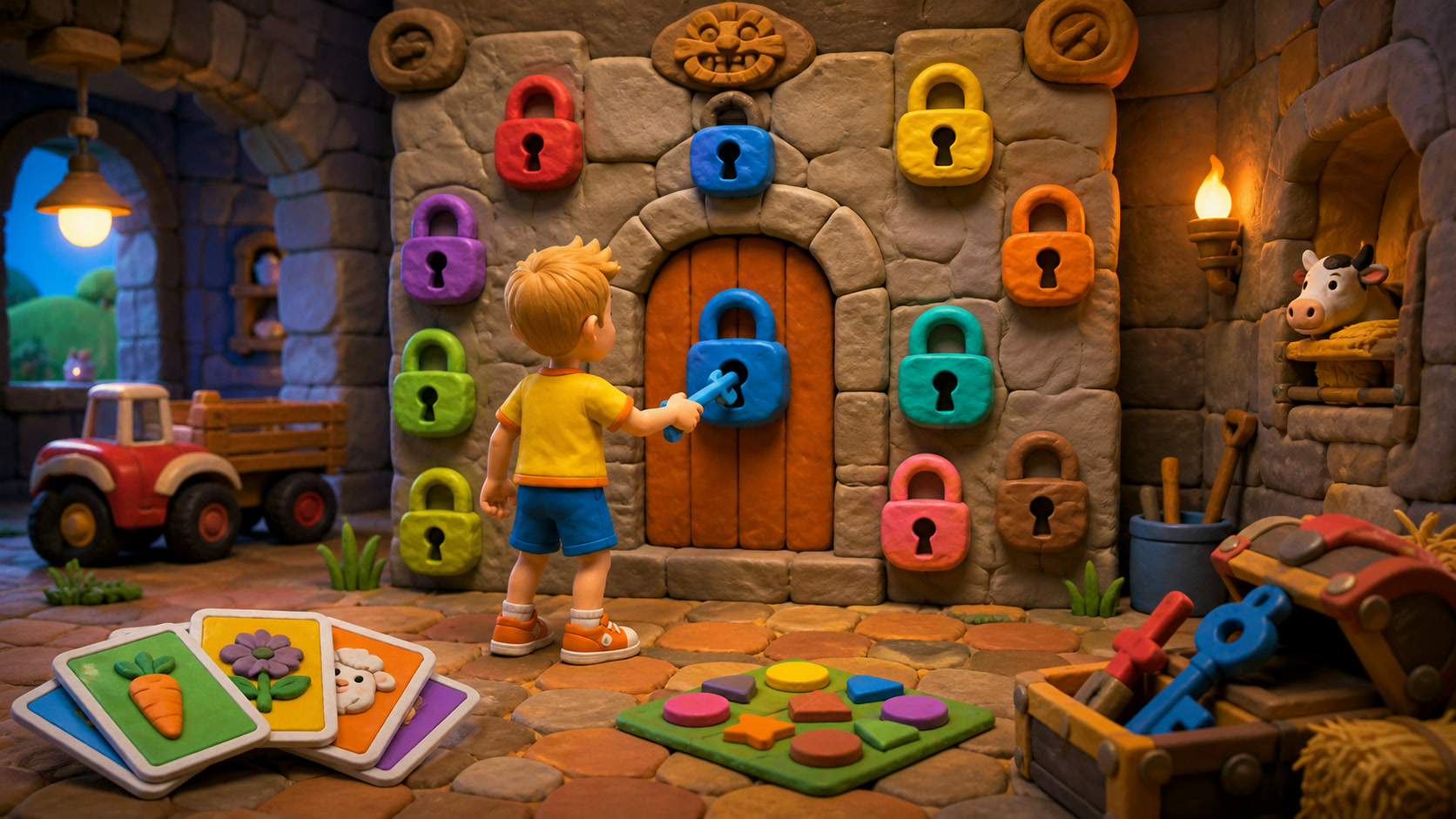
Editorial illustration: the loop is easiest to understand when every action has a visible consequence.
The Systems Around the Main Mechanic
The available-level list ranges from the original cookie jar and a locked truck to beaches, a pirate ship, a zoo, a Christmas tree, cake preparation, Easter, an amusement park, a haunted castle, and superhero scenarios. The clay-like art helps objects feel tangible and distinct.
These supporting systems matter because they shape the pace between active moments. The best ones create a meaningful decision before the next round. The weaker ones add collection, notifications, or currency without changing how the player thinks. New users should learn the central mechanic first and add optional systems only when their purpose is clear.
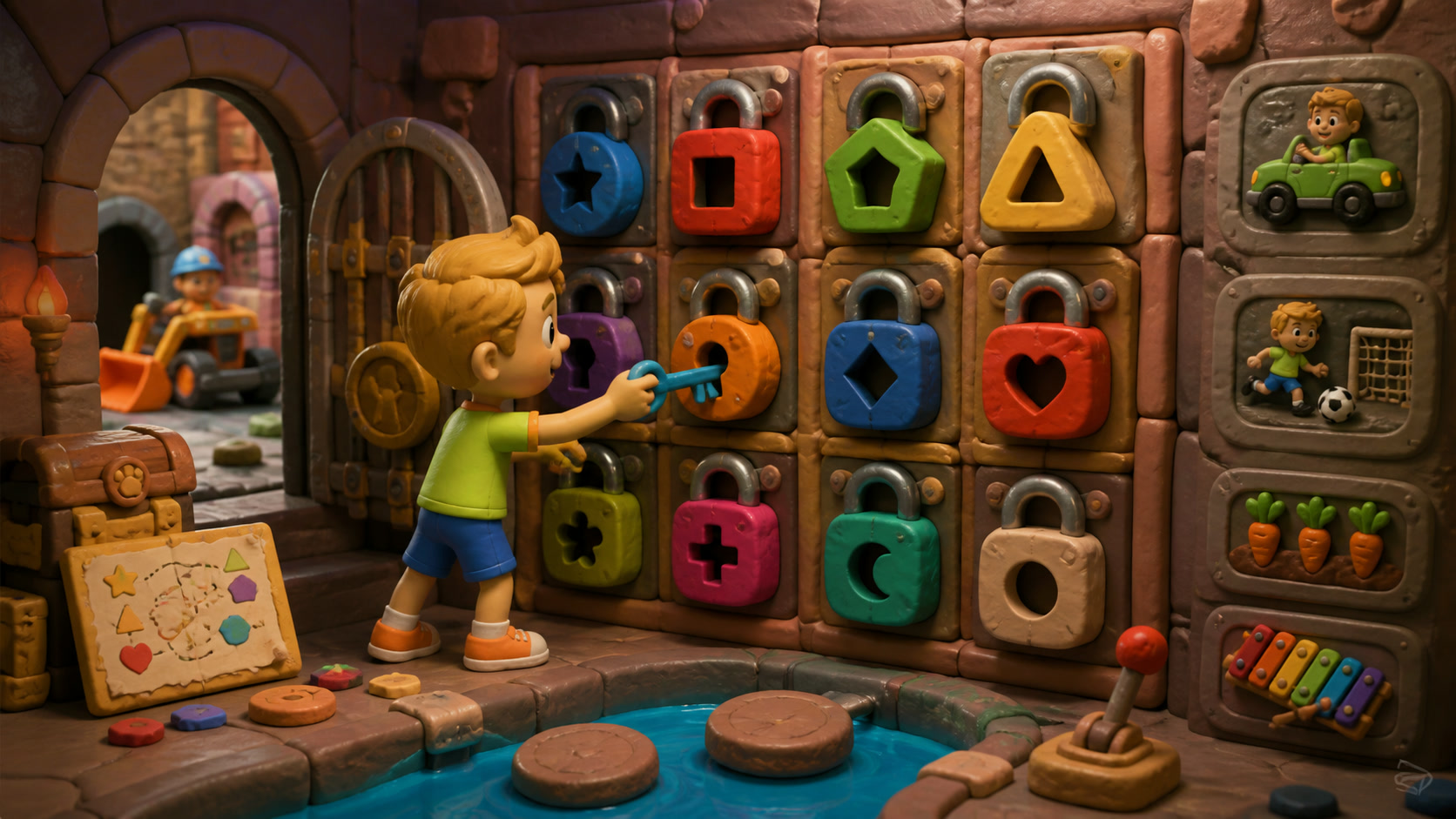
Editorial illustration: separate the central mechanic from the progression systems wrapped around it.
Progression: A Better Way to Improve
Let younger players point to the clue and explain the expected result before tapping randomly. If a room stalls, review colors, shapes, counts, and object relationships rather than searching every pixel. The goal is not fast completion; it is making the connection that turns a clue into an action.
A useful routine is to choose one measurable goal for a session, stop when attention falls, and review one mistake before starting again. This avoids confusing time spent with skill gained. Event calendars, streaks, or daily rewards may be convenient, but they should not decide whether a session continues after it stops being enjoyable.
Ads, Purchases, and Random Rewards
The captured official page did not expose a clear ads or in-app-purchase label. That missing store field is not evidence of a completely commercial-free experience. A caregiver should review the current listing, purchase authentication, and any prompts in the installed build.
Store labels describe the current distribution page, not every screen a player may see after a future update. Before paying, confirm the exact item, currency, renewal rule, refund route, and whether the benefit survives account loss or a service shutdown. Randomized rewards deserve a lower budget than direct purchases because the desired result is not guaranteed.
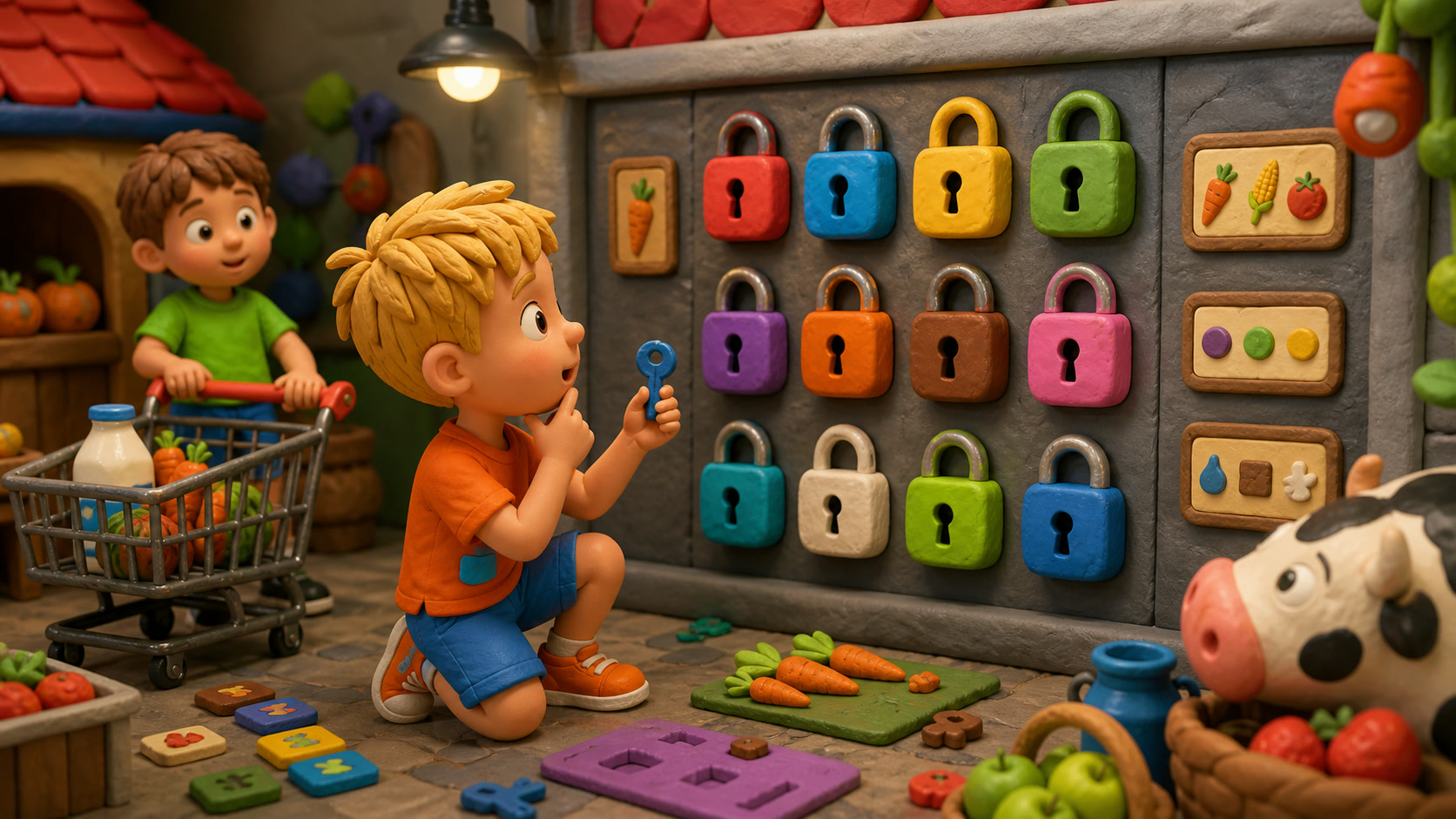
Editorial illustration: enjoyment improves when money, time, and device constraints are decided in advance.
Device and Performance Expectations
The game does not publish a precise hardware requirement on the captured page. Touch accuracy matters for small objects, so a larger screen may be easier for young players. Keep volume moderate and take breaks when visual searching turns into indiscriminate tapping.
Compatibility on Google Play means the store allows installation; it does not promise identical frame rate, battery use, controller support, or network quality on every model. Keep the operating system and app current, use official downloads, and avoid third-party “performance” tools that request excessive permissions.
Privacy, Younger Players, and Healthy Sessions
Recognizable child entertainers can create immediate trust, but brand familiarity should not replace supervision. Review privacy information and outbound links, avoid entering personal details, and help children understand that videos, games, and fan communities can have different moderation rules.
Use a unique password when an account is required, enable platform purchase authentication, and do not share recovery codes. For a child’s device, review permissions and social features together with the child. A content rating addresses themes such as violence or language; it is not a complete judgment about spending design, chat, advertising, or privacy.
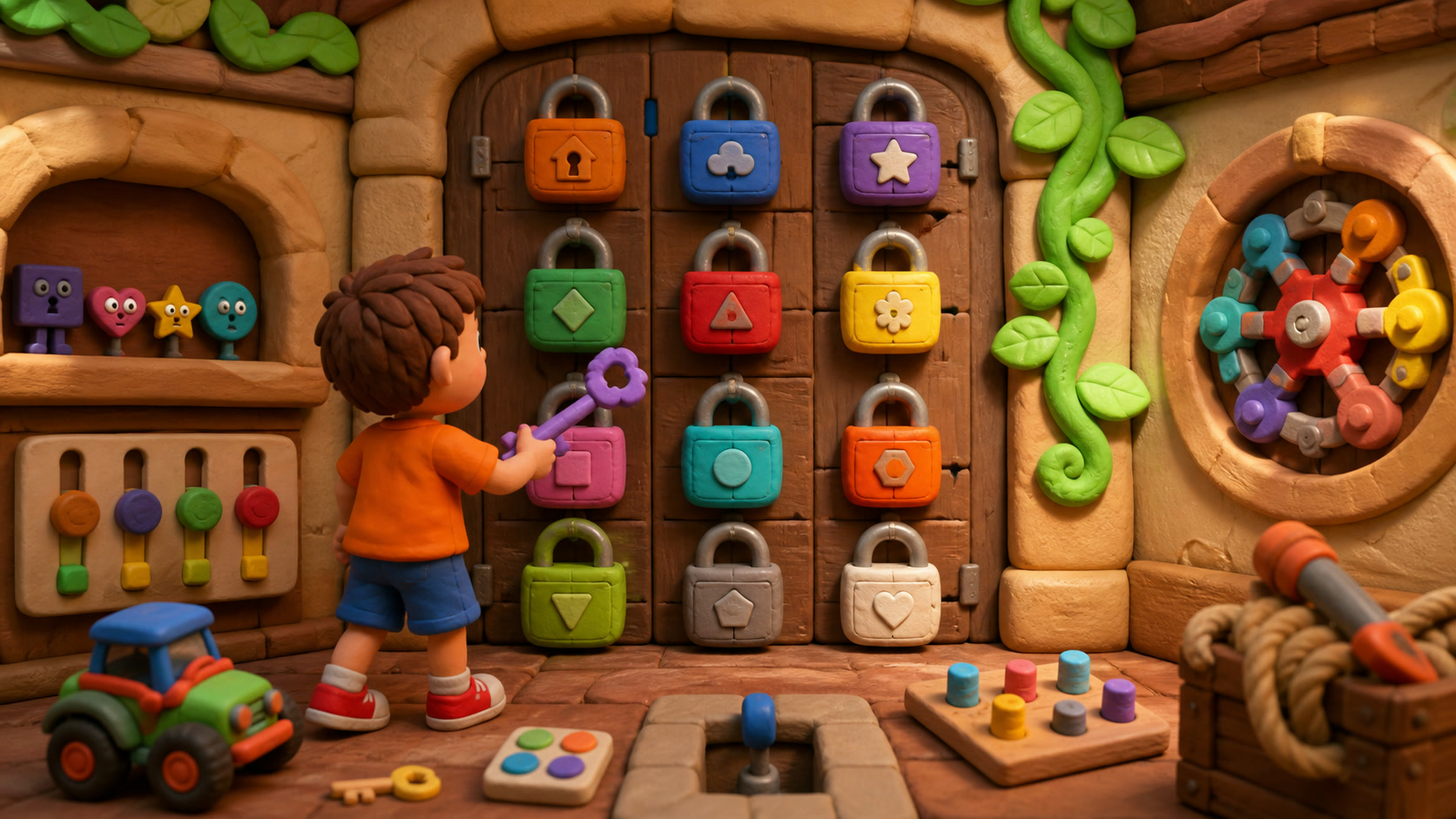
Editorial illustration: the best recommendation depends on fit, not popularity alone.
Who Is It For?
This is a strong fit for young puzzle fans who enjoy hidden objects, locks, visual clues, playful clay art, short mini-games, and familiar family characters. It is a weaker recommendation for players seeking difficult logic, open-ended exploration, a long narrative, or transparent commercial details without checking the current store page.
Strengths and Weaknesses
Strengths
- A concrete twelve-lock objective
- Colorful clay-style environments
- Many themed rooms and mini-games
- Visual puzzles encourage observation
Weaknesses
- Puzzle depth is aimed at younger players
- Brand familiarity may encourage unsupervised trust
- Small clues can invite random tapping
- Store monetization details require a current check
Final Verdict
Vlad & Niki 12 Locks is a friendly introduction to room-based puzzle logic. The lock sequence gives children a clear reason to inspect each object, and themed levels prevent the central idea from feeling too narrow. It is best played with an adult nearby to support reasoning and review the wider app environment.
The practical recommendation is to install from an official source, test the first session without spending, and decide in advance what would make the game worth keeping. A popular title earns attention; it still has to earn time, storage, money, and trust on the player’s own device.


.webp?x-oss-process=image/resize,w_80/format,webp)