
О Floral diagrams
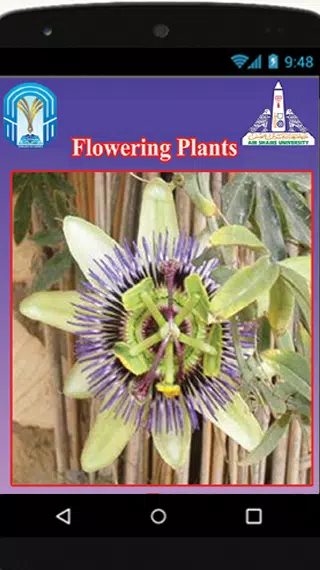
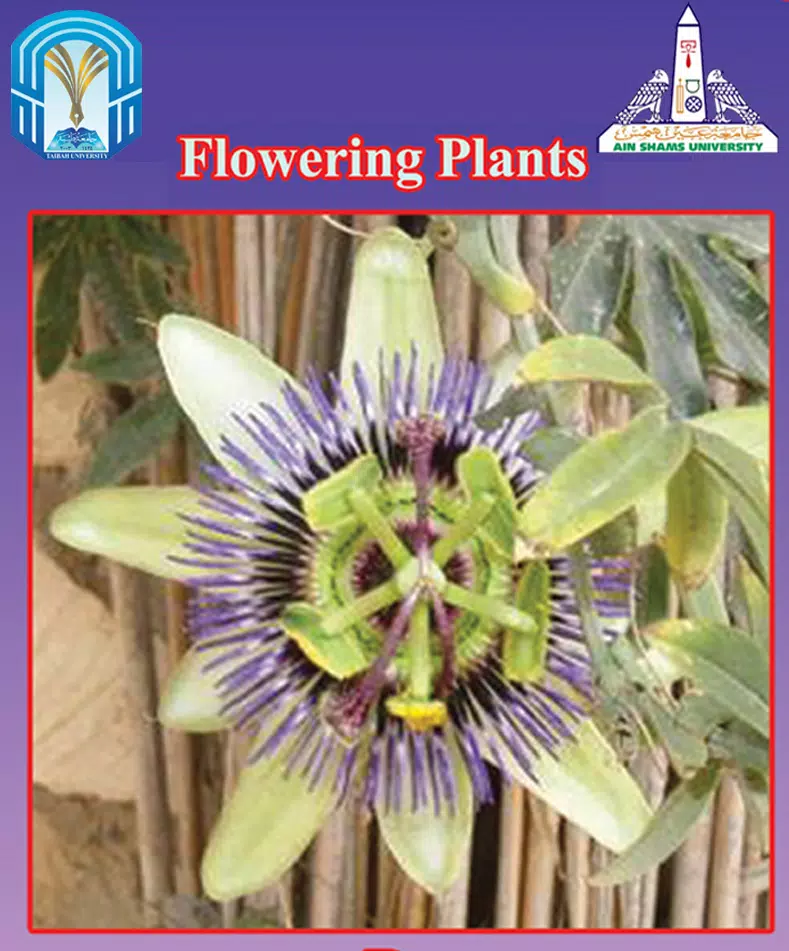
Floral Diagrams Application
The "Floral Diagrams" application is designed to guide users through the process of drawing floral diagrams for various flowering plant families. These diagrams are essential tools in botany, providing a visual representation of the arrangement of floral parts such as sepals, petals, stamens, and carpels.
Drawing Techniques
In dicotyledonous plants, like those in the Leguminosae family, the main axis of the flower typically meets a unit. Conversely, in monocotyledonous plants, the main axis meets a space. Successive whorls in these diagrams are often alternated, as seen in examples like obdiplostemony and antiposed stamens. To draw a longitudinal section (L.S.), one must visualize a line running from the main axis to the bract. It's important to note that labels should be placed on the L.S. rather than directly on the floral diagram itself.
Vegetative Characters
Floral diagrams can be accompanied by descriptions of vegetative characters, which include:
- Root System: Adventitious roots are common.
- Stem: Some species have culm-like stems, while others may exhibit angling or unbranched structures.
- Leaves: Linear leaves with parallel venation and specific features like open or closed sheathing bases, ligules, and auricles are typical.
Floral Characters
Floral characters vary significantly among different plant families and include:
- Inflorescence: Spike, spadix, or other types of inflorescences.
- Florets: Trimerous florets are common.
- Perianth: Present or absent, with some species having two lodicules if present.
- Androecium: Three stamens, sometimes six, with versatile anthers.
- Gynoecium: Superior ovary with one or three carpels, basal or axile placentation, and feathery stigmas.
Floral Formulas
Each floral diagram is complemented by a floral formula, which succinctly summarizes the floral structure. For example:
% , , P 2, A 3, G 1, Basal placentation.% , , P 0, A 3, G 3, Basal placentation.% , , P (3)+3, A 3+3, G (3), Axile placentation.
Detailed Examples
The application provides detailed examples of floral diagrams and L.S. for various plant families, including:
- Family 1: With adventitious roots, linear leaves, and trimerous florets.
- Family 2: Featuring a spadix inflorescence, undifferentiated perianth, and five fertile stamens.
- Family 3: With succulent leaves, differentiated perianth, and metamorphosed anthers.
Conclusion
This application serves as a comprehensive resource for botanists, students, and enthusiasts interested in understanding and drawing floral diagrams. By following the detailed instructions and examples provided, users can effectively represent the complex structures of various flowering plants, aiding in their identification and study.
Геймплей
Скриншоты Floral diagrams
Старые версии Floral diagrams

Рекомендация редактора


Приложения, похожие на Floral diagrams


Приложения от Usama K. Abdelhameed
Отзывы пользователей
+ Отзывы
Самые популярные


