
Doomsday: Last Survivors Review: A Zombie 4X Game With Two Very Different Loops

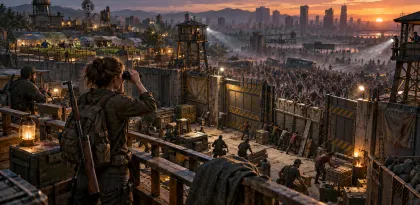

Doomsday: Last Survivors combines shelter construction, hero development, troop training, alliance warfare, and zombie combat. You begin with a threatened group of survivors, repair a base, clear fog, and gather enough strength to fight infected enemies and rival players. A separate forward-moving Z-Virus mode adds short action runs beside the larger strategy map.
The current US Google Play listing, checked on September 8, 2026, temporarily titles the app “Doomsday:The Seven Deadly Sins” for a collaboration. The description still identifies the core game as Doomsday: Last Survivors. The listing shows a September 3, 2026 update, more than 100 million downloads, a Teen rating, and in-game purchases that include random items. Time-limited collaboration material should not define a long-term review.
Quick Verdict
The opening shelter chapters provide clear goals, attractive production, and a satisfying sense of recovery. Exploration and hero battles break up construction timers. Alliances give the world map social stakes once the protected early phase ends.
Long-term play becomes a competition in time, coordination, and account power. Building queues, research, troop losses, event schedules, and random-item purchases can push the game toward heavy spending. Players who want a solo zombie campaign may enjoy the beginning and dislike the political game that follows.
The Shelter Makes Progress Visible
Repairing walls, opening rooms, rescuing survivors, and upgrading production gives each early session a concrete result. New buildings unlock research, troops, and hero systems. Fog hides resources and threats, which turns expansion into a sequence of small objectives rather than one open map.
Timers soon shape the pace. A short upgrade keeps you active; a long one sends you away or toward a speed-up item. Plan construction and research before logging off. Starting the longest task at the end of a session uses time better than spending consumables to keep the screen busy.
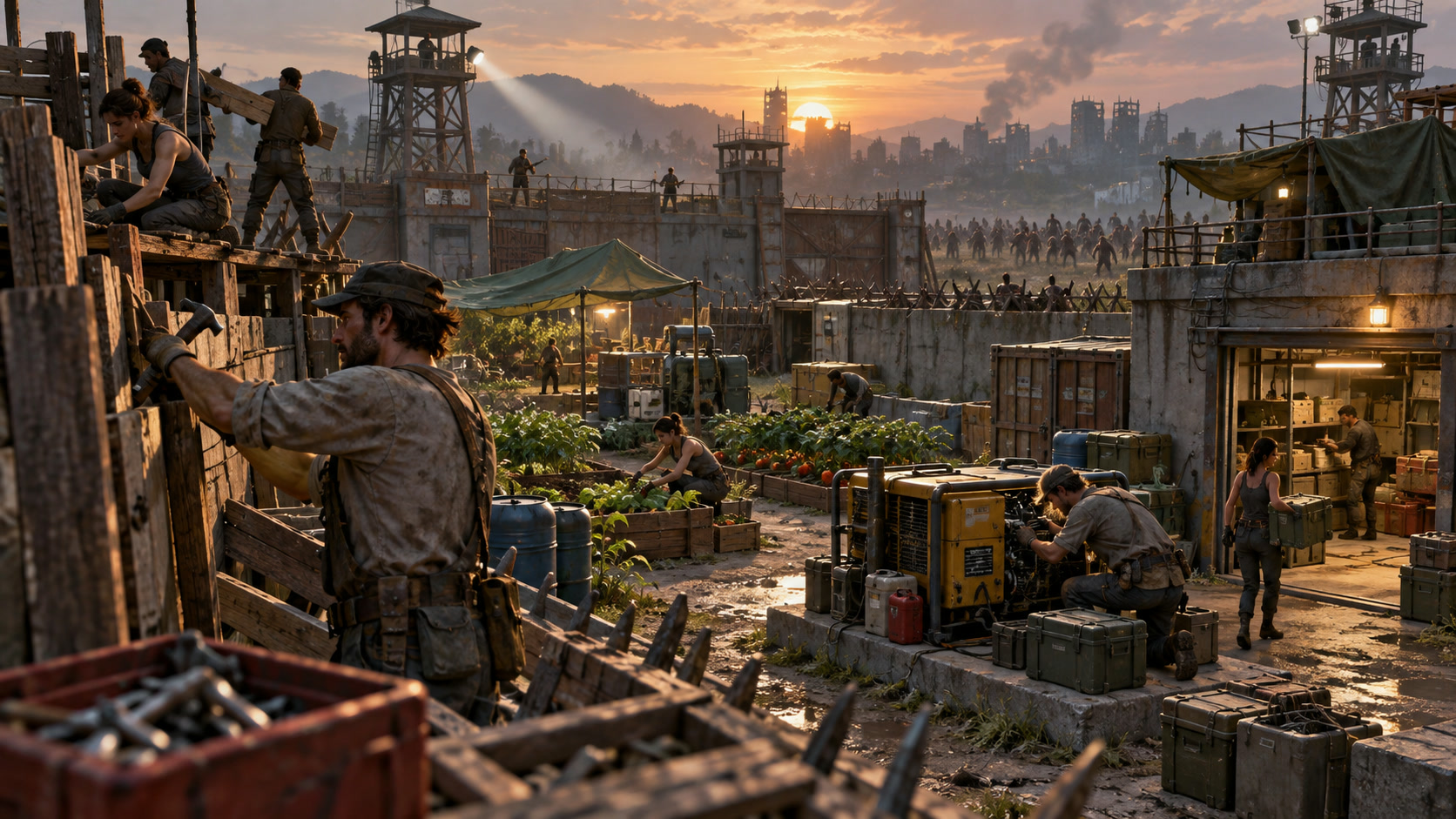
Shelter repairs provide strong early momentum before long timers begin to control the schedule.
Heroes Connect Several Modes
Heroes lead troops on the world map and form teams for combat stages. Their skills, roles, and upgrade levels affect both tactical encounters and strategic power. A balanced team needs damage, durability, and support rather than five characters chosen from one visual theme.
The Z-Virus Adventure mode changes the camera and tempo. Your group moves through a lane, shoots enemies, and selects upgrades during the run. It provides quick action, yet it does not replace the base and alliance economy. Marketing can emphasize that mode because it reads well in a short video; the larger game still operates as a multiplayer 4X strategy title.
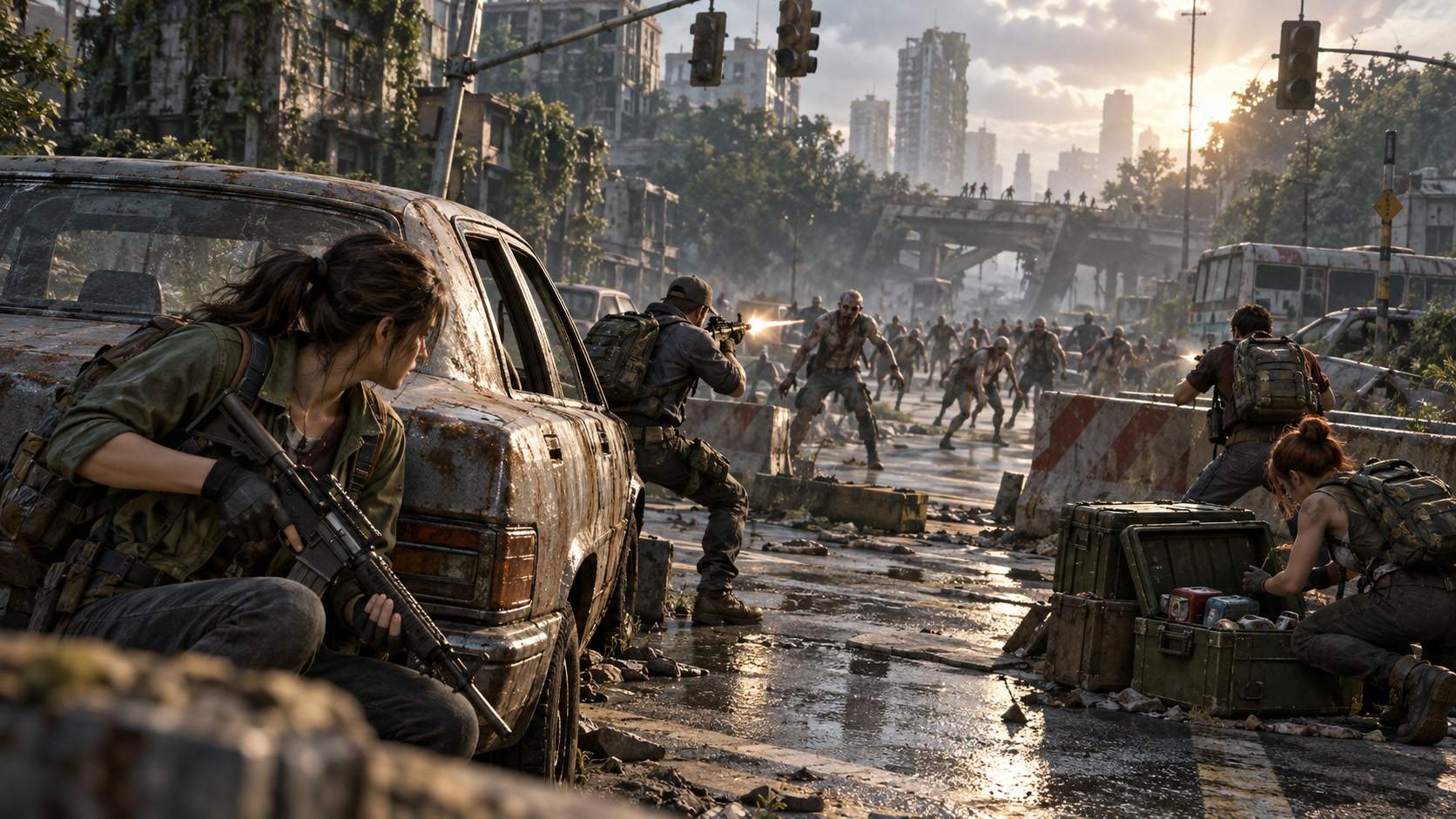
The action mode offers short runs, while heroes and resources still feed the broader strategy account.
Alliances Change the Cost of Mistakes
An alliance can speed construction, share information, rally against large targets, and protect territory. It can also ask members to appear for events across time zones. Once player conflict matters, troop losses and missed coordination have a larger cost than a failed story stage.
Join a group that states its schedule and spending expectations. Keep shields, relocation items, and hospital capacity in mind before a war event. Avoid building more troops than you can heal after a bad fight. Strategy includes deciding which battles do not deserve your resources.
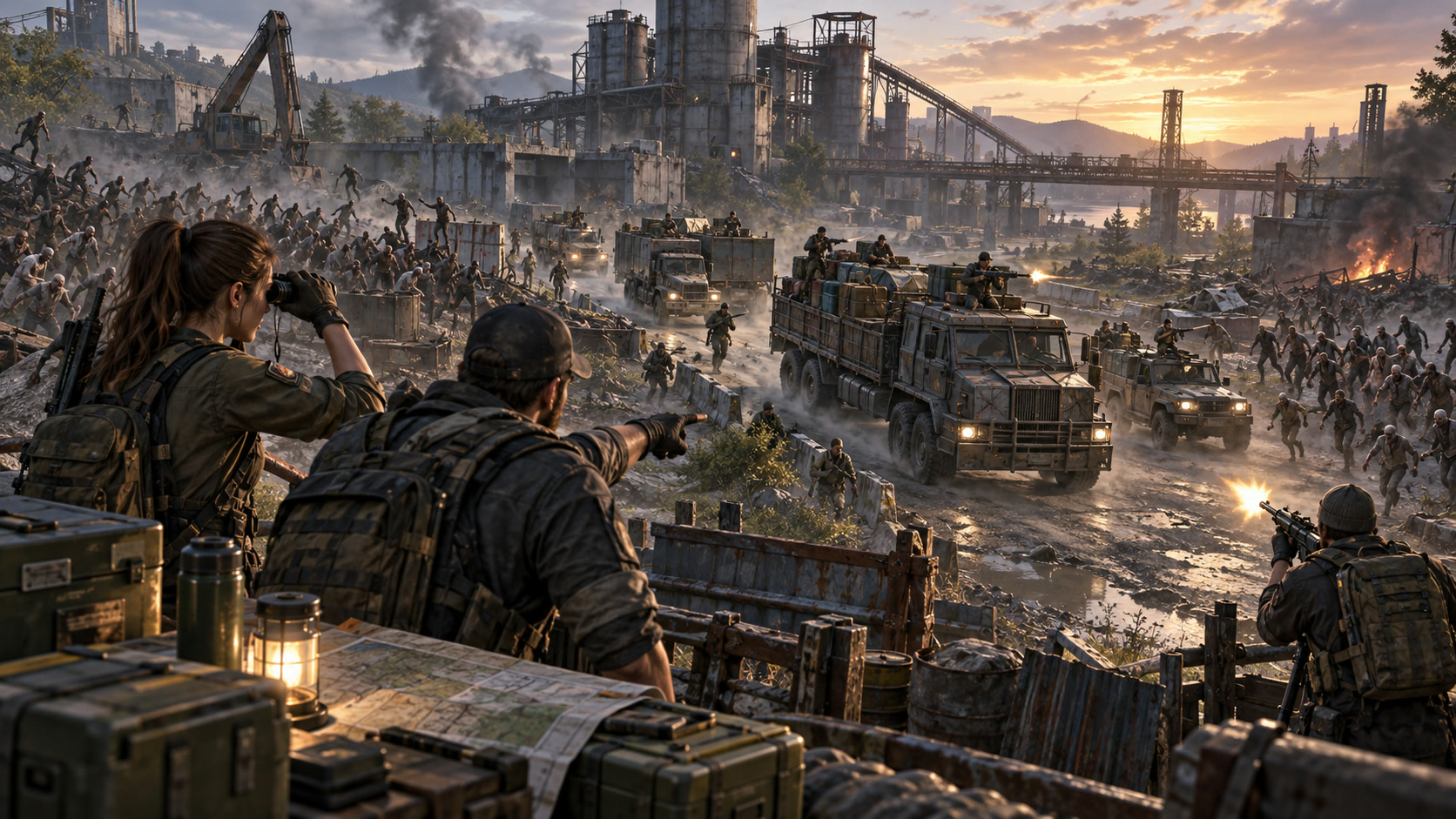
Alliance support can protect progress, but scheduled wars turn a casual account into a commitment.
Random Items and Power Gaps
Google Play labels the purchases as including random items. Hero acquisition, upgrade materials, and event rewards can therefore create uncertain value. A purchase may improve the account without delivering the specific result you wanted. Read displayed probabilities and event rules before spending, then set a fixed limit outside the game.
The world map can place low-spending players near accounts with much higher power. Skill and coordination help, but they cannot erase every stat gap. Treat rankings as a contest with spenders, not as a fair measure of tactical understanding.
Use package com.igg.android.doomsdaylastsurvivors, published by IGG.COM. Avoid modified APKs that promise free resources or private-server access. They can compromise login credentials and place the account at risk.
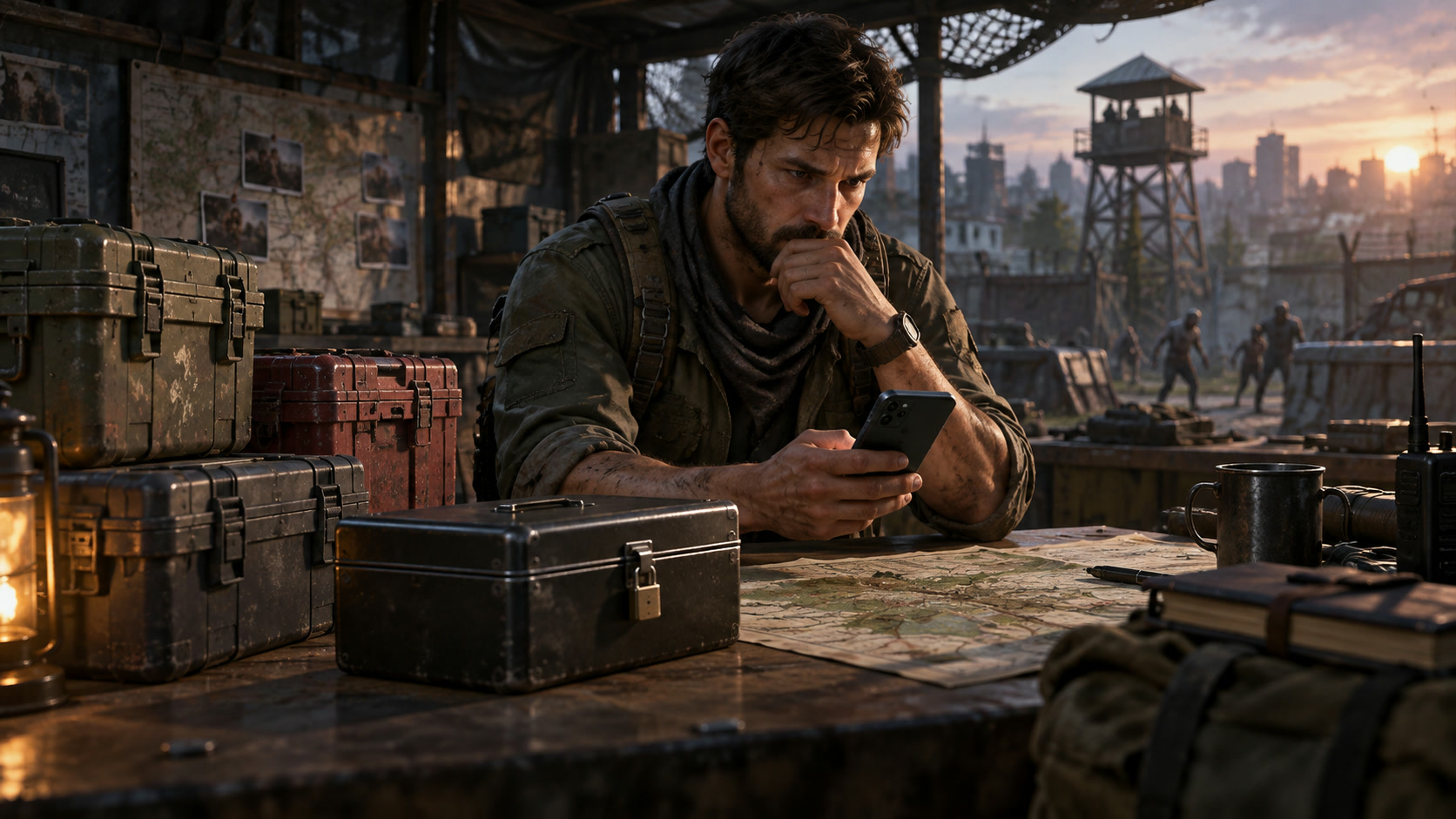
A written limit helps separate entertainment spending from the pressure of temporary rewards.
Who Should Play It
Choose Doomsday if you enjoy base growth, alliance coordination, hero teams, and a game that can occupy months. The mix of shelter scenes and action runs gives the opening more variety than a plain city builder.
Skip it if you want a finite offline campaign, dislike timers, or cannot attend scheduled group events. Parents should note both the Teen content rating and the random-item purchase label.
Final Verdict
Doomsday: Last Survivors presents two appealing faces. Shelter recovery and Z-Virus runs create an energetic start, while the world map develops into a conventional 4X contest built around alliances, timers, and power. The production quality can carry a long account, but random purchases and competitive gaps require firm limits. Play for the cooperative planning and base progression, not for a promise that every ranking can be solved through good tactics alone.
Official Sources
- Google Play: https://play.google.com/store/apps/details?id=com.igg.android.doomsdaylastsurvivors&hl=en&gl=US
- IGG game page: https://dls.igg.com/


.webp?x-oss-process=image/resize,w_80/format,webp)