

เกี่ยวกับ متن العشماوية
Description of the Application "متن العشماوية"
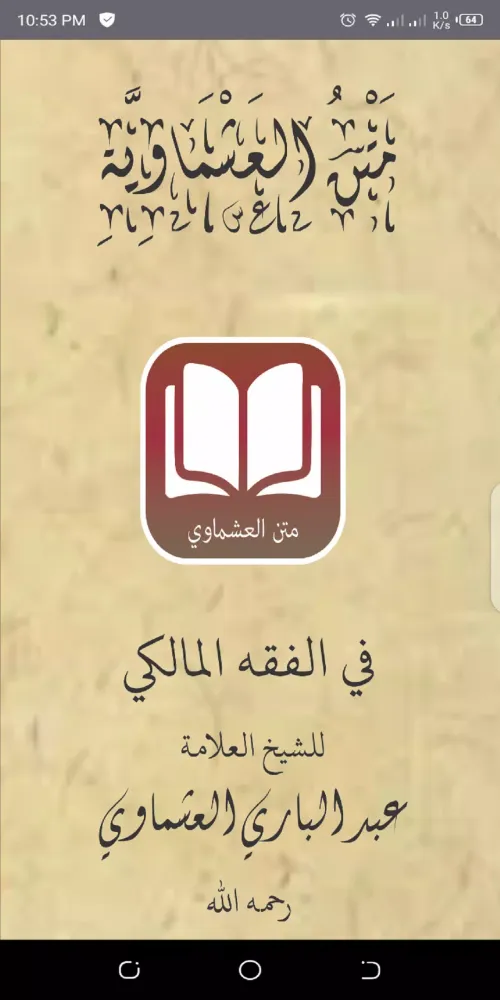
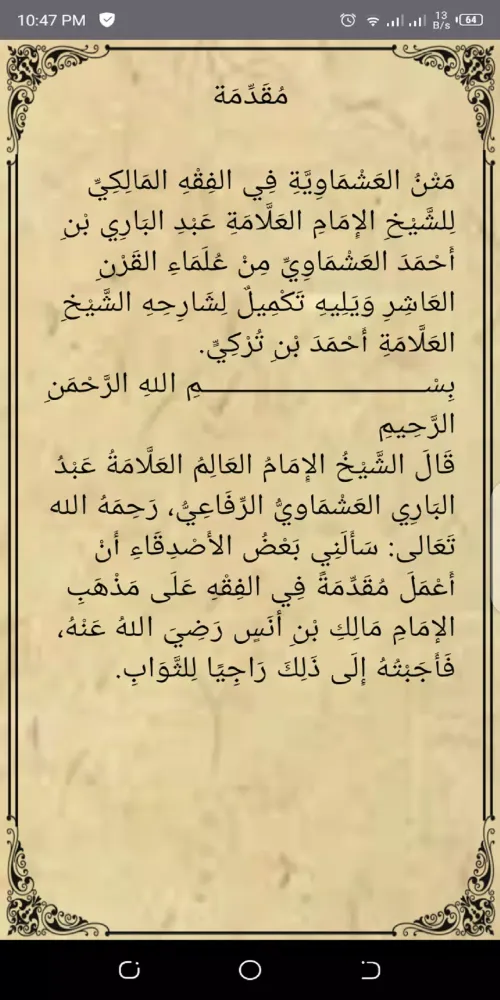
The application "متن العشماوية" is a comprehensive digital resource dedicated to exploring one of the most significant works in Islamic jurisprudence. The book, titled "متن العشماوية في مذهب الإمام مالك", serves as an essential guide for understanding the principles and practices of the Maliki school of thought. Written by Abdul Bari bin Ahmad bin Abdul Ghani bin Atiq bin Sheikh Saeed bin Sheikh Hassan, also known as Abu Al-Naja Al-Azhari Al-Qahiri Al-Maliki, this text has been meticulously crafted to provide readers with profound insights into the foundational aspects of Islamic worship and jurisprudence.
Published by Al-Shumrali Printing, Publishing, and Stationery Company in Egypt, this work represents a valuable contribution to the field of Islamic studies. It is divided into a single volume, ensuring that the content remains cohesive while addressing key topics related to religious practices. The digital format of the application makes it accessible to a broader audience, enabling users to explore its contents conveniently on their devices. The numbering system used in the digital version aligns perfectly with the original printed edition, preserving the authenticity and integrity of the text.
The author, Abdul Bari Al-Azhawi, brings his extensive knowledge and expertise to the fore, offering readers a clear and structured presentation of Islamic rituals and beliefs. His work is not only educational but also spiritually enriching, as it encourages users to deepen their understanding of the Maliki school's teachings. The digital interface of the application allows for easy navigation through various sections, making it an ideal tool for both scholars and laypersons alike.
Key Features and Content
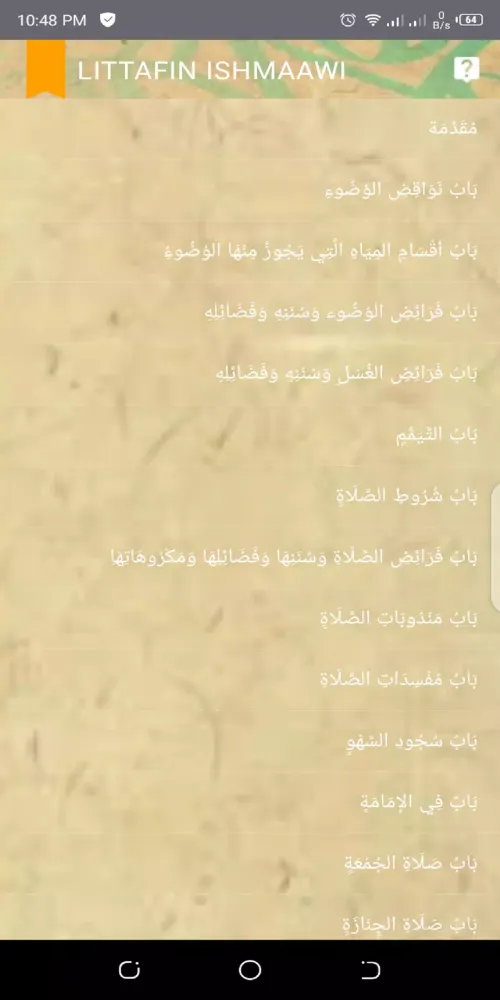
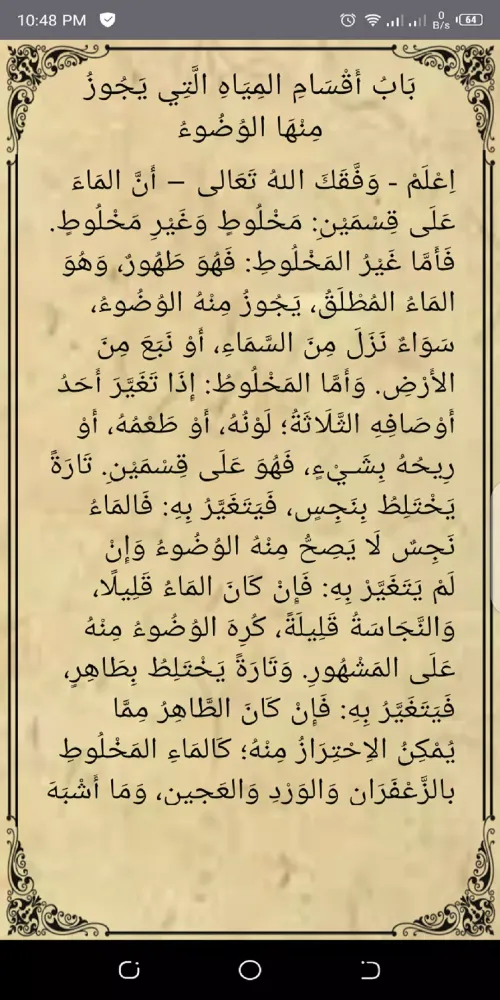
The application provides a detailed exploration of numerous topics central to Islamic practice. One of the initial sections focuses on "Nawakir Al-Wudu" (Invalidators of Wudu), which discusses conditions under which ritual purification may be invalidated. This is followed by a section on "Aqwaal Al-Ma'a Al-Mujaz Lil-Istinja" (Classifications of Water Permissible for Wudu), where the author explains the types of water suitable for performing ablutions.
Further chapters delve into the "Faraidh Wa Sunan Wudu" (Obligatory and Recommended Acts of Wudu), highlighting the importance of cleanliness and preparation before prayer. The discussion on "Ghusl" (Ritual Bath) includes obligatory acts, recommended practices, and the virtues associated with it. Another crucial topic covered is "Tayammum" (Dry Ablution), which outlines alternative methods of purification when water is unavailable.
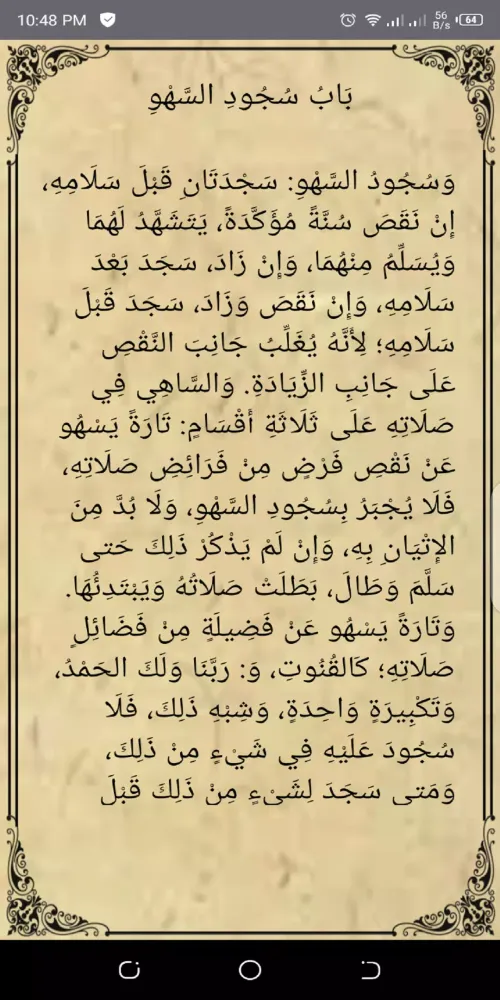
The application also addresses "Shuroot Al-Salah" (Conditions for Prayer), detailing prerequisites such as physical purity, intention, and time. Subsequent sections discuss the "Faraidh Wa Makaruhat Al-Salah" (Obligations and Reprehensibles of Prayer), emphasizing the correct performance of prayers. Additional chapters cover "Nawafil Al-Salah" (Voluntary Prayers), "Mufsidat Al-Salah" (Factors Invalidating Prayer), and "Sujud Al-Sahw" (Prostration of Forgetfulness).
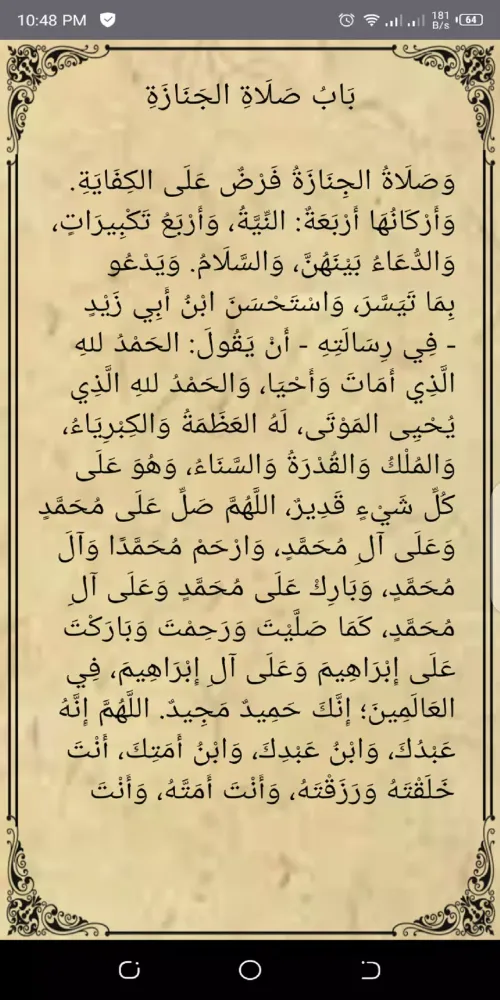
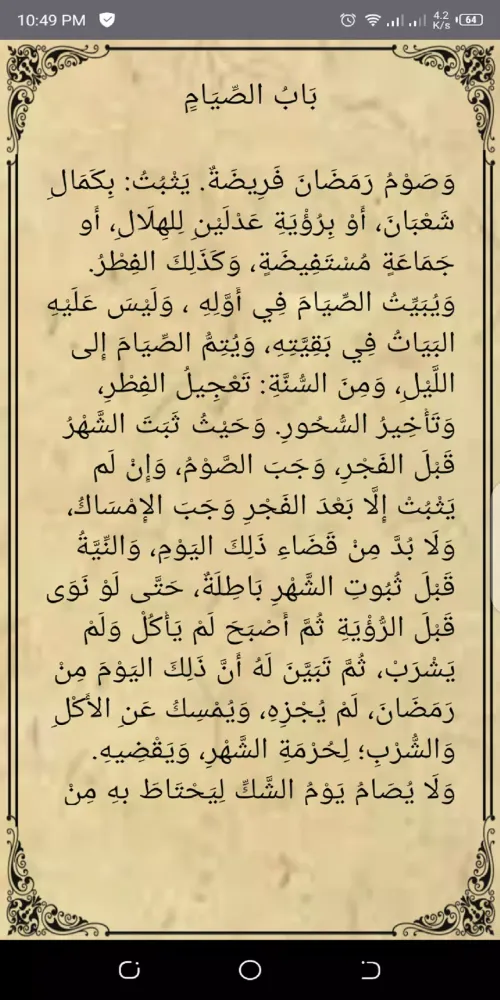
Other notable areas include discussions on "Imamah" (Leadership in Congregational Prayer), "Salat Al-Jumu'ah" (Friday Prayer), "Salat Al-Janazah" (Funeral Prayer), and "As-Siyam" (Fasting). Each chapter is designed to provide a comprehensive overview of the respective subject matter, supported by relevant hadiths and scholarly commentary.
Educational Value and Accessibility
By leveraging modern technology, the application ensures that the rich heritage of Islamic jurisprudence is preserved and made accessible to contemporary audiences. Whether you are a student of Islamic studies, a practicing Muslim seeking guidance, or simply someone interested in learning more about the Maliki tradition, this app offers a wealth of information at your fingertips. Its user-friendly design and well-organized structure make it an indispensable tool for anyone looking to deepen their understanding of Islamic rituals and doctrines.
In conclusion, "متن العشماوية" stands as a testament to the enduring legacy of Islamic scholarship. Through its meticulous compilation and digital accessibility, this application continues to inspire and educate individuals around the world. By engaging with its content, users can gain a profound appreciation for the depth and complexity of Islamic jurisprudence while fostering a deeper connection with their faith.
วิธีการเล่น
ภาพหน้าจอของ متن العشماوية
เวอร์ชันเก่าของ متن العشماوية





คำแนะนำจากบรรณาธิการ


แอปที่คล้ายกับ متن العشماوية


แอปโดย AAARSOFTWARE
รีวิวจากผู้ใช้
+ รีวิว
ยอดนิยมที่สุด


