
Bluey: Let's Play! Review: A Digital Playhouse for Imaginative Family Stories

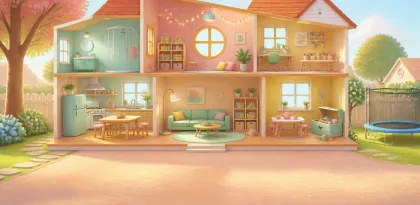

Bluey: Let's Play! treats the Heeler home as an interactive playset where children explore rooms, move characters and props, invent scenes, and color pictures.
The Core Loop
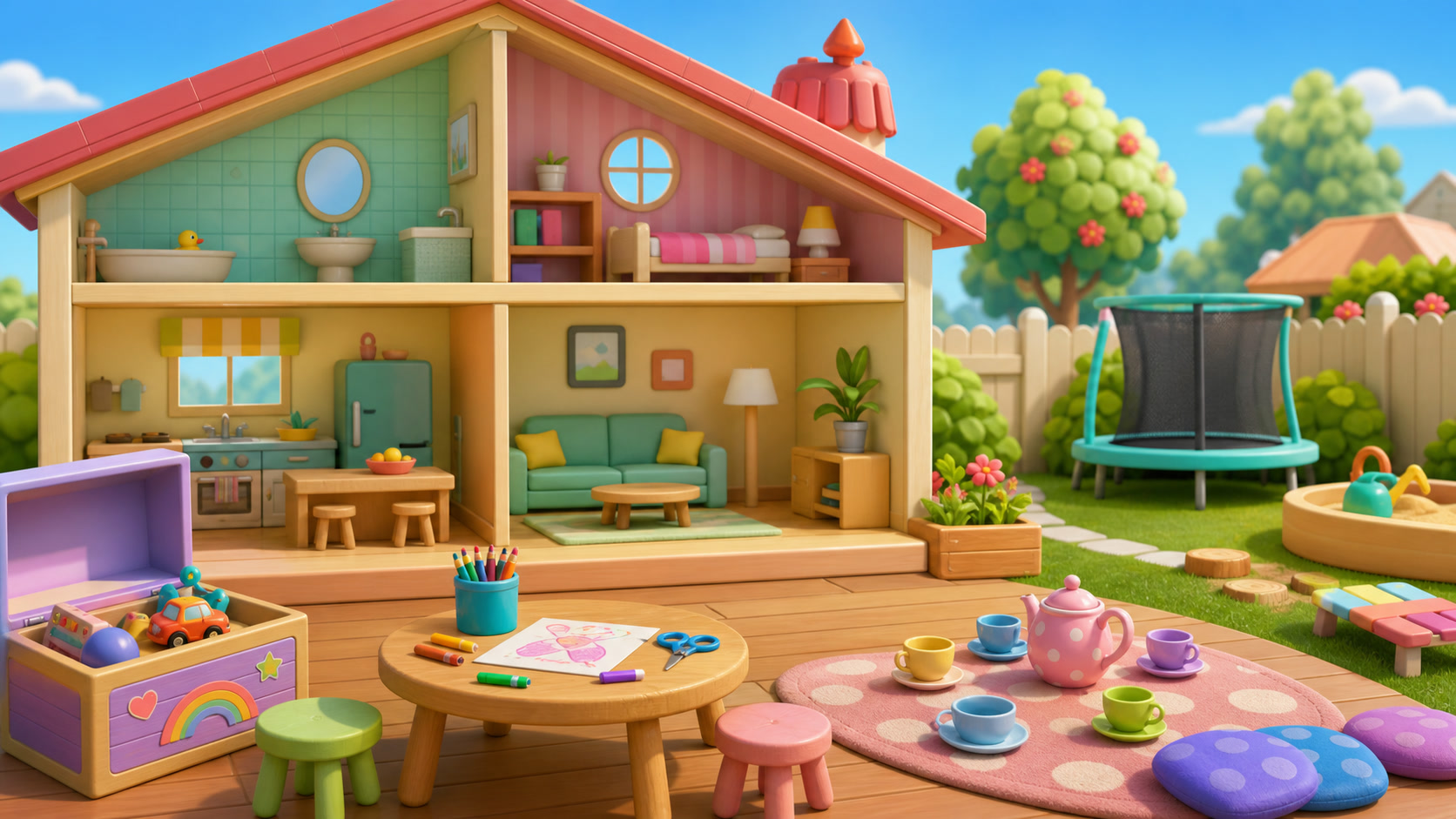
The game opens Bluey's house as a set of rooms filled with movable objects and familiar activities. Children can cook in the kitchen, play in the backyard, bounce on a trampoline, search for hidden surprises, or build a story from the available characters. The controls favor tapping and dragging, so the child supplies much of the narrative. Coloring pages provide a quieter activity when free play loses its direction. The experience resembles a digital dollhouse more than a level-based game.
Where Your Decisions Matter
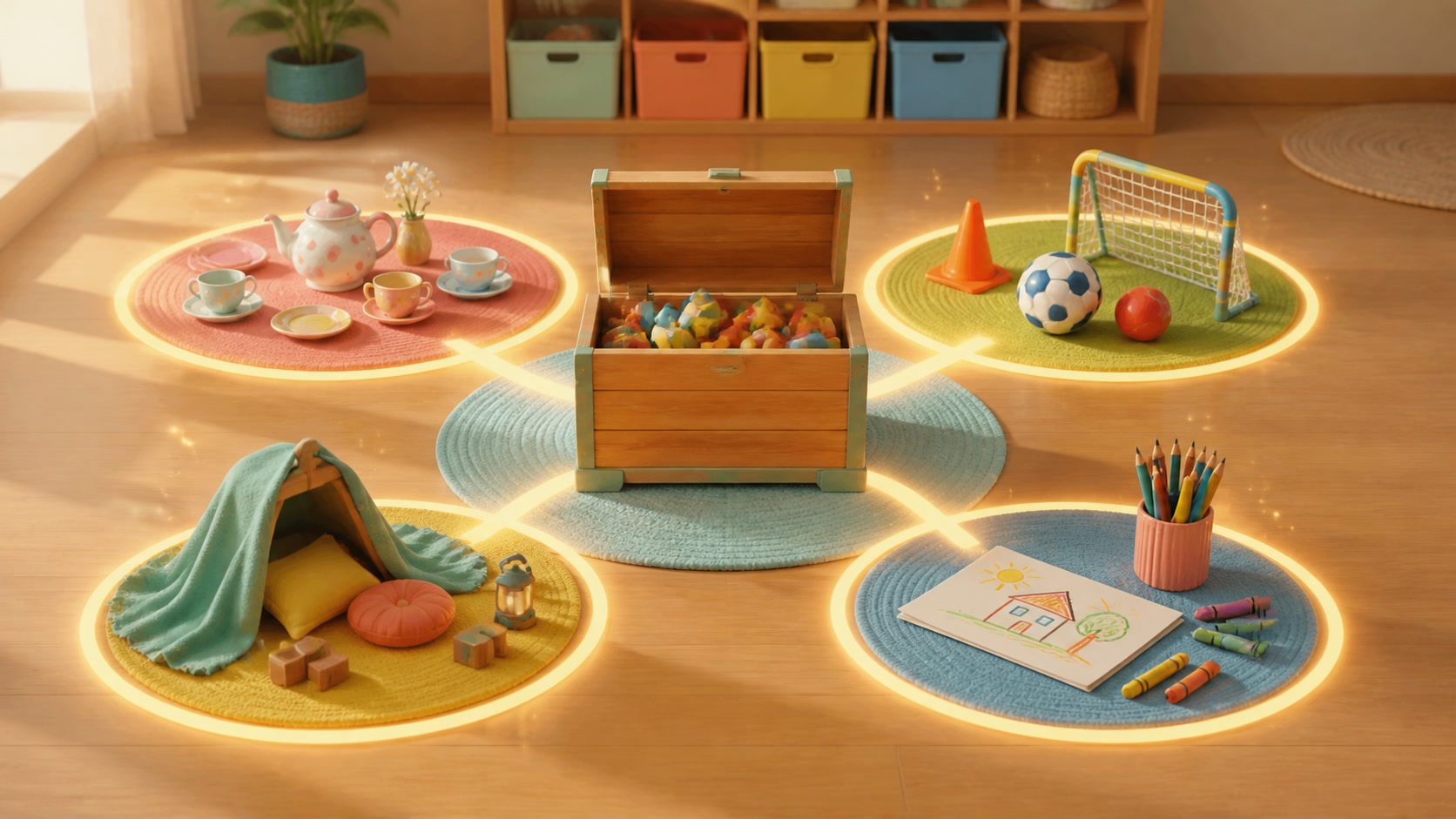
A young player gets more from the playset when an adult offers a small story prompt. Preparing a tea party, finding hidden longdogs, or turning the backyard into a pretend campsite gives the room a purpose without dictating every move. Free play can continue after that prompt. The strongest interactions come from combining props and characters across a scene, then asking the child to explain what happened. That turns screen time into a conversation rather than a silent tour through objects.
A Smart First Session
Begin with one room and one activity. Let the child learn how objects respond, then invite them to create a beginning and an ending for a short story. Try a coloring page after the room activity to change pace. The store listing presents the app for children aged two to nine, but reading ability, device habits, and attention span still vary. An adult should stay nearby during the first session and check which content is available before promising access to a favorite scene.
Progression Without the Noise
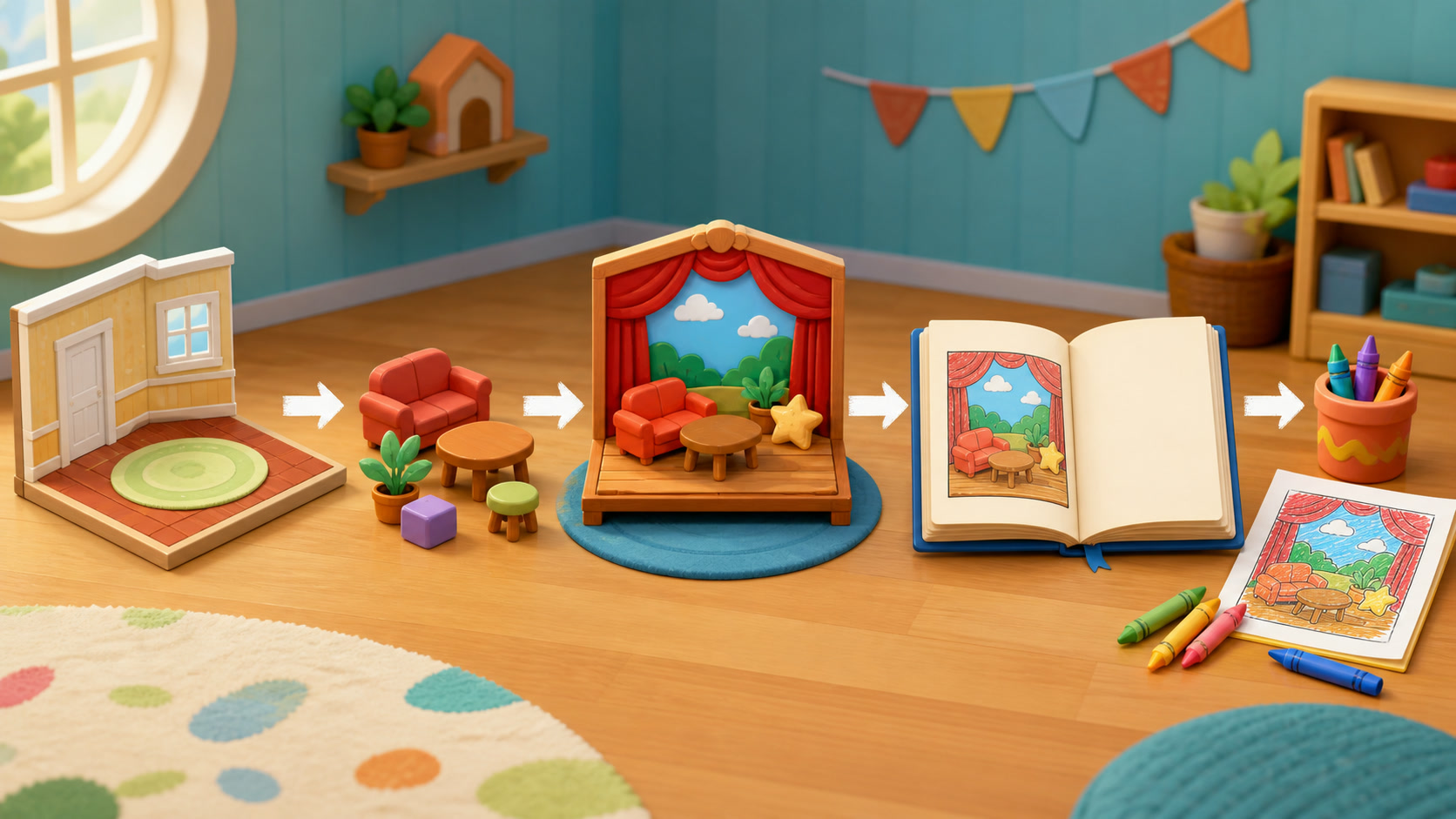
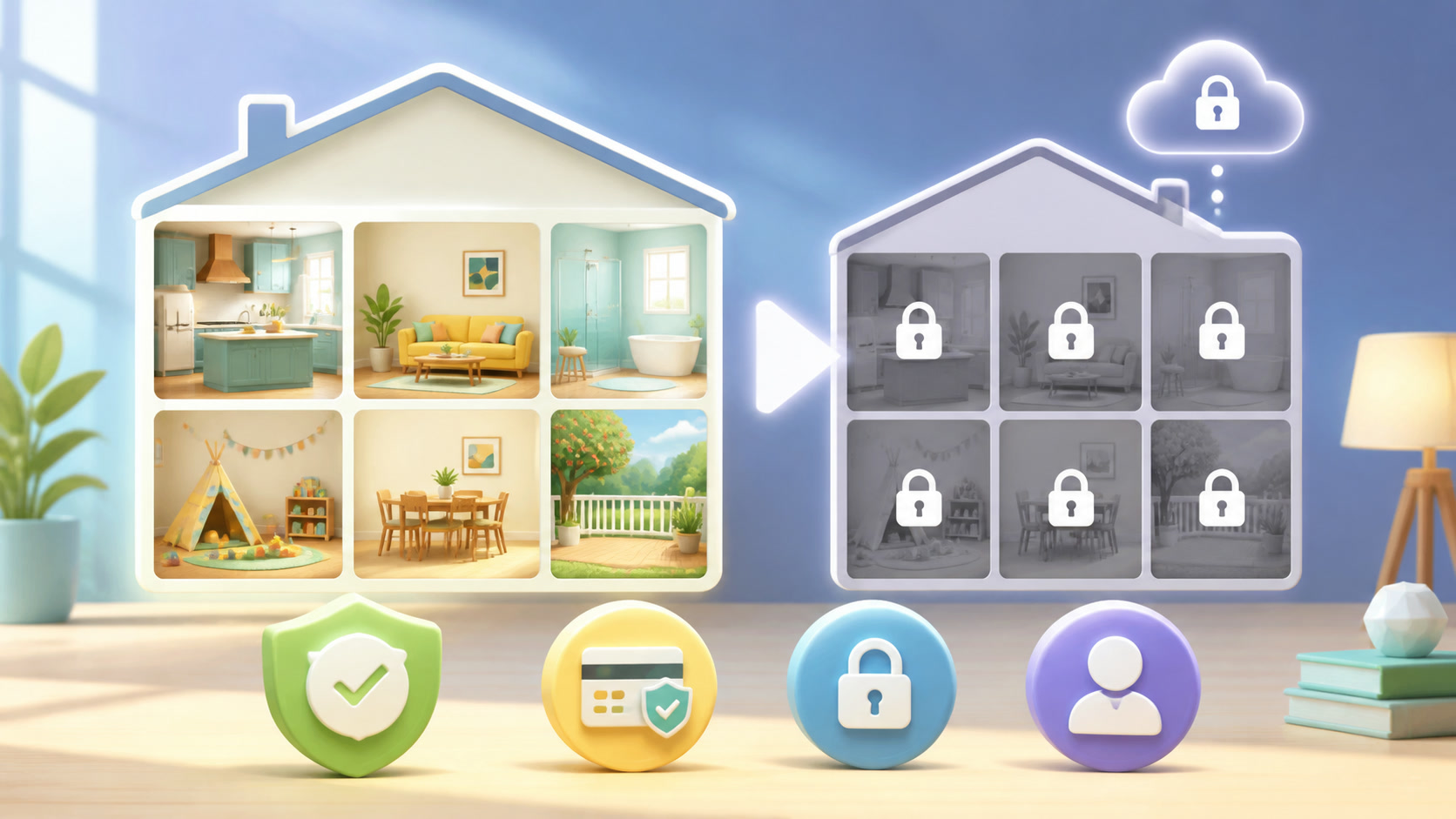
The app focuses on access to rooms, characters, and activities rather than competitive progress. Some content requires a paid subscription, according to the official listing. That changes the value calculation for families because a child may see appealing areas beyond the included selection. Review the unlocked content first, then decide whether the available play supports repeated stories. A subscription makes more sense when the child returns to the playset with new ideas instead of consuming each room once.
Turning the Playset Into a Shared Activity
The app becomes more engaging when the room supports an idea from outside the screen. Ask the child to plan a picnic, recreate a family morning, or invent a problem that the characters need to solve. After the scene ends, invite them to draw the same story on paper or act it out with toys. The digital objects then provide a starting point for broader play instead of becoming the whole activity.
Parents should also watch how a child responds to locked content. If the child spends more time requesting unavailable rooms than using the open ones, the free selection may not fit the household. A subscription should support repeated creative use, not end a moment of frustration. Keep a short list of stories the child created during the week. That record shows whether the app still produces new ideas and gives the family a practical reason to continue or cancel access.
Who Should Play Bluey: Let's Play!
This app fits children who enjoy Bluey, pretend play, coloring, and shared storytelling. Parents can use the open-ended rooms as prompts for language and imagination. Children who prefer clear missions, scores, or physical challenge may lose interest after exploring the house.
Before You Install
Google Play lists ads and in-app purchases, and the description says some content needs a paid subscription. Check the current subscription terms in the store, enable purchase approval, and explain the difference between available and locked rooms before play. The licensed setting also makes expectations high, so test the included experience before committing to recurring access.
Final Verdict
Bluey: Let's Play! works best as a shared digital playhouse. Its value comes from stories a child invents with the rooms and props, not from a long sequence of objectives. Start with the included content, participate in the first session, and judge whether the playset keeps producing new stories before considering the subscription.


.webp?x-oss-process=image/resize,w_80/format,webp)