
Brawl Stars Review: Fast Matches With a Long Progression Tail

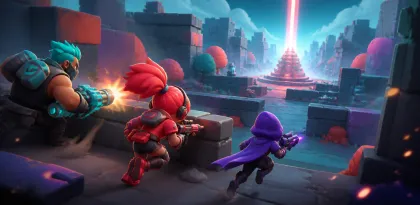

Brawl Stars compresses multiplayer combat into small arenas and short objectives. You choose a Brawler, learn one main attack and one Super, then work around terrain, ammunition, range, and team composition. A match can finish in a few minutes, but mastery takes far longer because each mode changes the value of positioning and timing.
The game suits players who want quick PvP without a long setup. Its progression, seasonal content, cosmetics, and purchases add a second layer that can feel much busier than the match itself.
Each Brawler Solves a Different Positioning Problem
Brawlers differ in range, health, movement, reload speed, projectile shape, and special abilities. A short-range fighter wants cover and a safe route into combat. A marksman needs sight lines and distance. Support characters create value through healing, control, or space rather than raw eliminations.
New players often chase damage and ignore ammunition. Most Brawlers cannot attack without pause. Spending every shot on a poor angle leaves no response when an opponent pushes. Hold enough pressure to protect your lane, then use the Super when it changes the objective rather than when it creates a flashy effect.
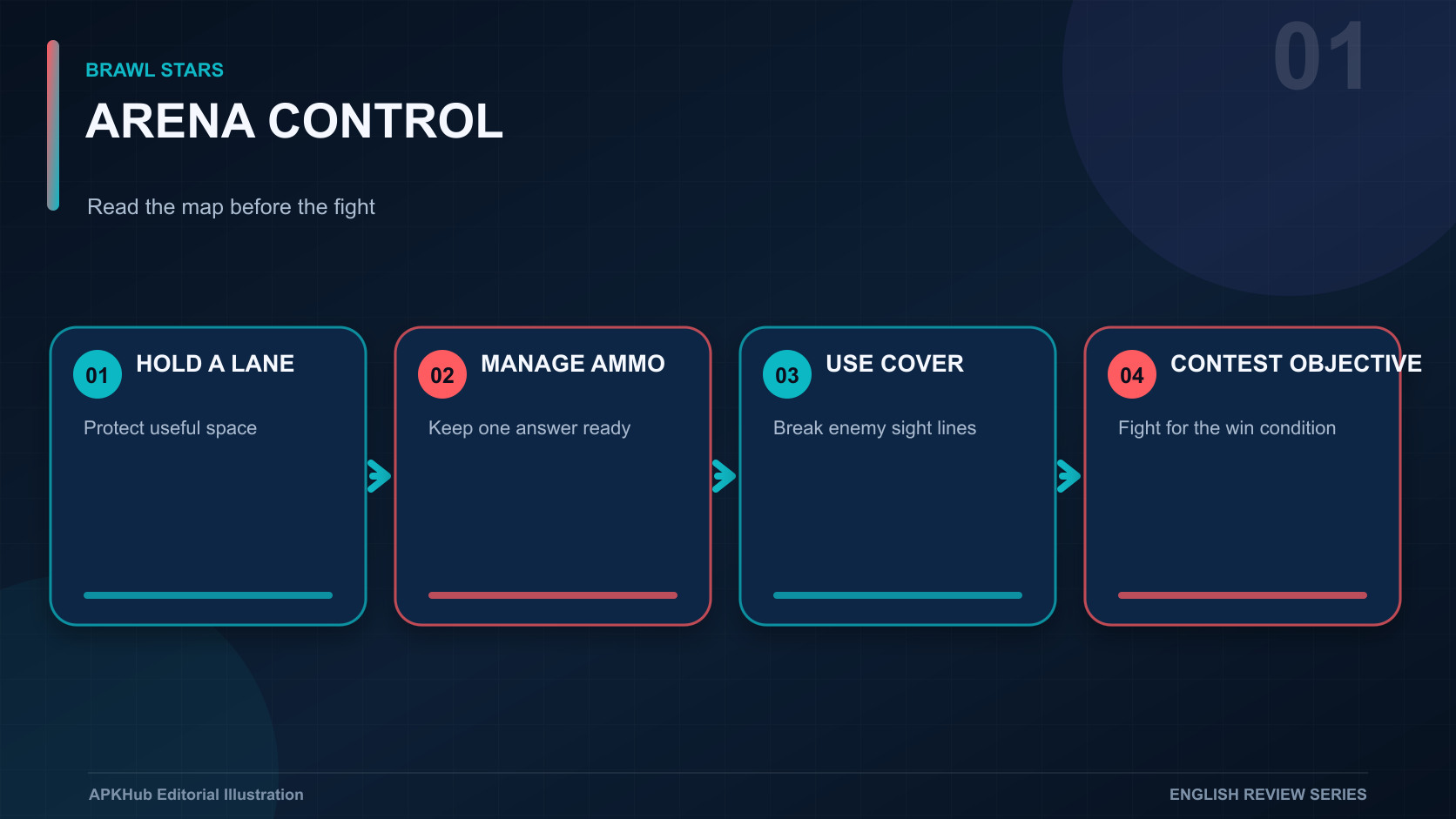
Editorial illustration: Brawler value comes from range, cover, and objective pressure.
Game Modes Reward Different Decisions
Gem Grab asks a team to secure gems and survive a countdown. Showdown uses a battle-royale format for solo or duo play. Brawl Ball turns attacks and movement into a compact sports match. Heist, Bounty, Knockout, and rotating events create other priorities.
A strong pick in one mode can struggle in another. Open maps favor long range. Tight walls support ambushes and area control. An objective that demands survival punishes unnecessary trades, while an elimination mode may reward focused aggression.
Read the map before choosing a Brawler. Check wall patterns, bushes, and the likely fight around the objective. Team balance matters more than three isolated power rankings. A squad with damage, control, and a way to contest space has more answers than three players who all want the same lane.
Touch Controls Fit the Match Length
Movement sits on one side of the screen, while attacks, Supers, and other abilities sit on the other. Auto-aim helps at close range, but manual aim gives more control over prediction and area denial. Players who rely on auto-aim against distant targets waste shots because the projectile follows the target's current position.
Short matches reduce the cost of a bad draft or early mistake. They also encourage rapid rematches, which can turn a planned ten-minute session into a much longer one. Notifications and event timers add more reasons to return.
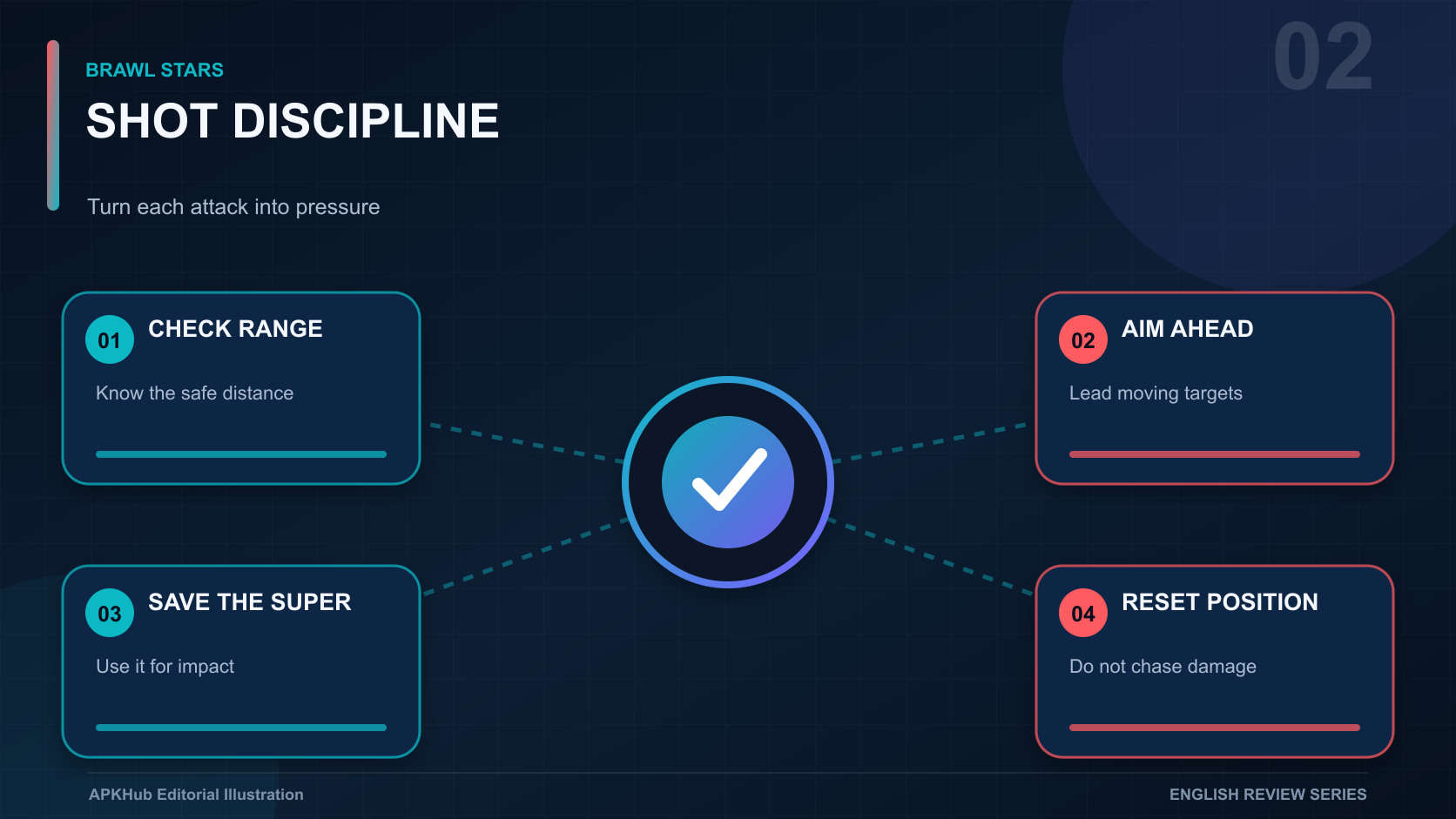
Editorial illustration: manual aim and shot discipline create room for stronger decisions.
Progression Creates Goals and Matchmaking Friction
Players unlock and upgrade Brawlers, collect abilities and cosmetics, and move through trophies, ranked systems, events, and seasonal rewards. These layers give regular players clear goals. They also place account strength and resource decisions next to mechanical skill.
Do not upgrade every Brawler at the same pace. Pick a small group that covers several modes, learn their matchups, and spend resources where they support actual play. Chasing each new release can spread progress across characters you do not understand.
Competitive players should separate rank from learning. A loss can reveal poor lane choice or bad timing even when teammates made mistakes. Recording one correction after a session produces more value than extending a losing streak through frustration.
Spending and Social Features Need Limits
Brawl Stars is free to download and includes optional purchases. Store offers, passes, cosmetics, and progression items can create pressure through rotation or scarcity. Set a budget before browsing offers and enable purchase authentication on a shared device.
Clubs and team play improve coordination, but chat and invitations connect players with other users. Review Supercell's account, privacy, and parent guidance. Use reporting tools and avoid sharing contact information in game chat.
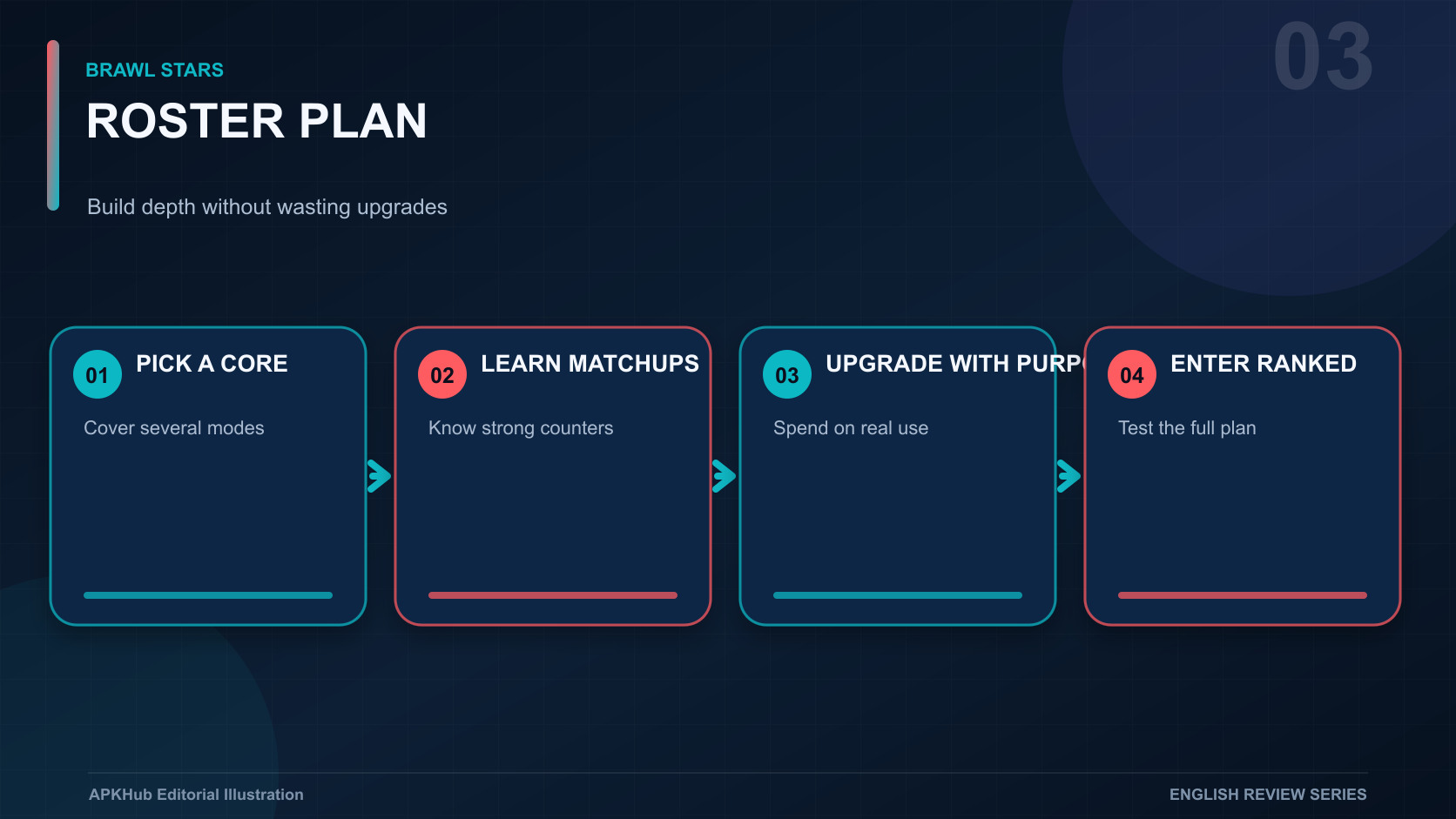
Editorial illustration: account growth works best when a player limits upgrades to a useful roster.
Strengths and Weaknesses
Strengths
- Short matches deliver clear objectives without a long queue of menus.
- Brawler variety creates distinct roles and team combinations.
- Map rotation changes which skills and ranges matter.
- Manual aim and ammunition control reward practice.
Weaknesses
- Progression and store systems can overshadow the clean combat loop.
- Solo matchmaking gives limited control over team composition.
- Balance changes can reduce the value of prior upgrades.
- Frequent events encourage longer sessions than the match length suggests.
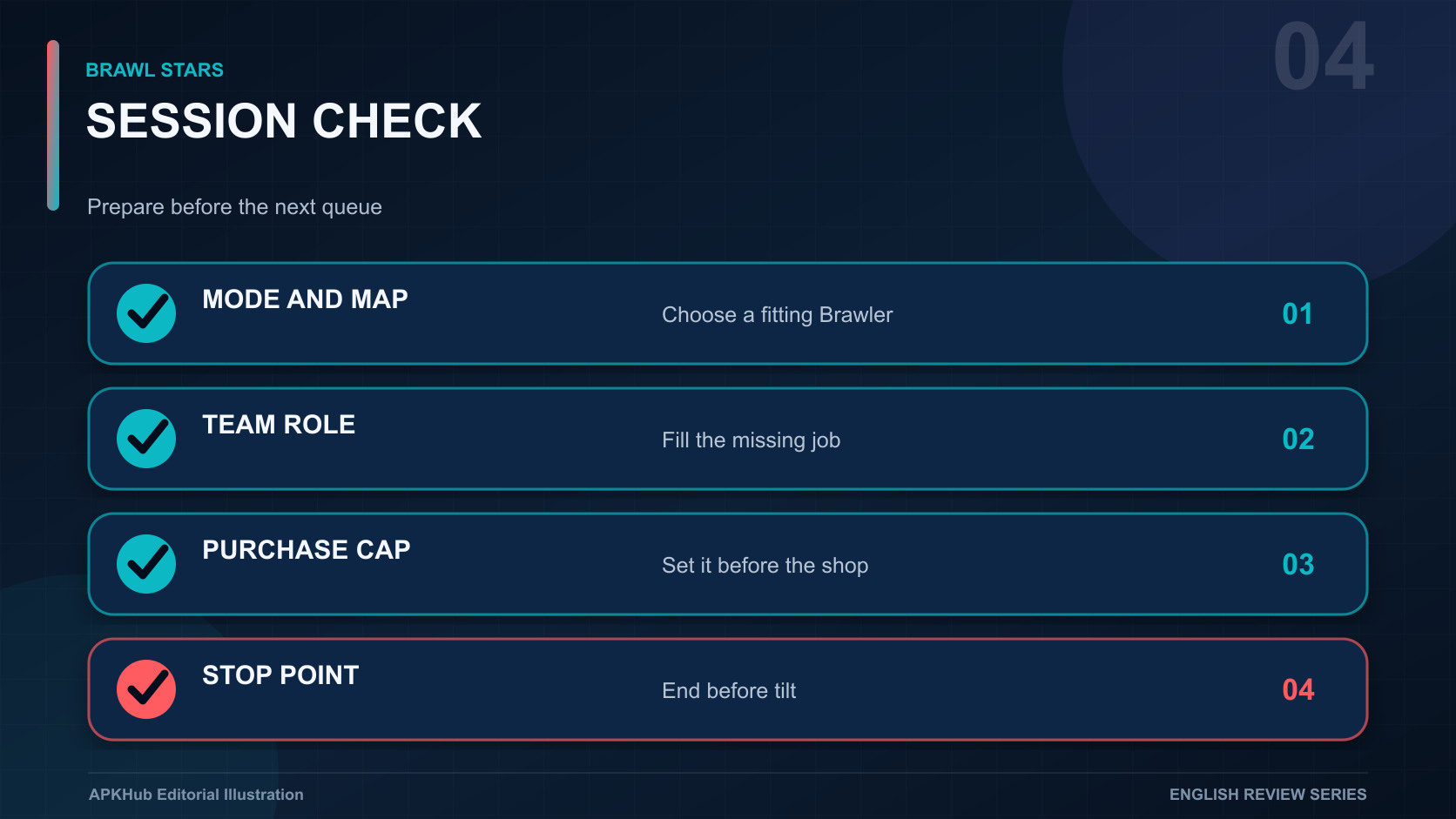
Editorial illustration: choose the mode and role before entering another match.
Final Verdict
Brawl Stars earns its audience through readable combat and short objectives. Each Brawler has a clear identity, while maps and modes stop one tactic from solving every match.
The progression system asks for patience and a budget. Players who focus on a small roster, learn map geometry, and stop after a planned session will get more from the game than players who chase each reward timer. For fast Android PvP with real mechanical depth, Brawl Stars remains a strong choice.


.webp?x-oss-process=image/resize,w_80/format,webp)