
Hay Day Review: A Long Farm Sim Where Timers and Trade Run the Day

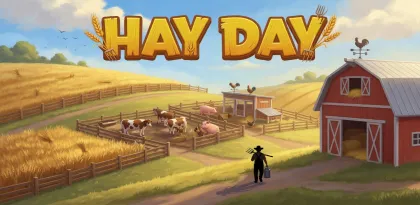

Hay Day is Supercell's free farm simulator: plant wheat and corn, feed animals, cook goods, sell from a roadside shop, and slowly turn a starter plot into a decorated ranch. The August 2026 United States Google Play listing rates it Everyone, flags ads plus in-app purchases, and states that those purchases include random items. A network connection is required. Optional camera access is for QR codes; notifications are optional. The page used for this review showed 100M+ downloads, Editors' Choice, and an update dated August 17, 2026.
The official Supercell page still sells the same fantasy: it never rains, the crops never die, and neighbors are there to trade. The Play About text adds a Fishing Lake, a Town with visitor orders, a Valley for seasonal group play, neighborhoods of up to 30 players, and weekly derby events. This Hay Day review focuses on the production loop, how social trade changes the farm, what diamonds and random items actually buy, and who should treat the game as a long hobby rather than as a weekend toy.
The Core Loop: Plant, Process, Sell, Expand
A session is a kitchen more than a field. Crops go down, come up, and feed either animals or machines. Wheat becomes bread. Milk becomes dairy. Those goods fill truck orders, boat crates, town visitors, or the roadside shop. Coins and experience buy the next machine, the next animal, or a little more land. Storage is the silent boss. If the silo and barn are full, the farm stops even when you have energy and ideas.
The loop on a good day:
- harvest what is ready and replant the short crops you actually use
- queue bakery, dairy, and grill slots before you leave the app
- fill one truck or boat that spends surplus instead of scarce goods
- restock the roadside shop for neighbors
- collect help and coins, then stop before you open every decoration chest
The listing is honest about the fantasy: crops never die. That removes a failure state other farm games use. It does not remove waiting. Growth times and machine queues are the difficulty. You are managing a calendar of bread, not a drought.
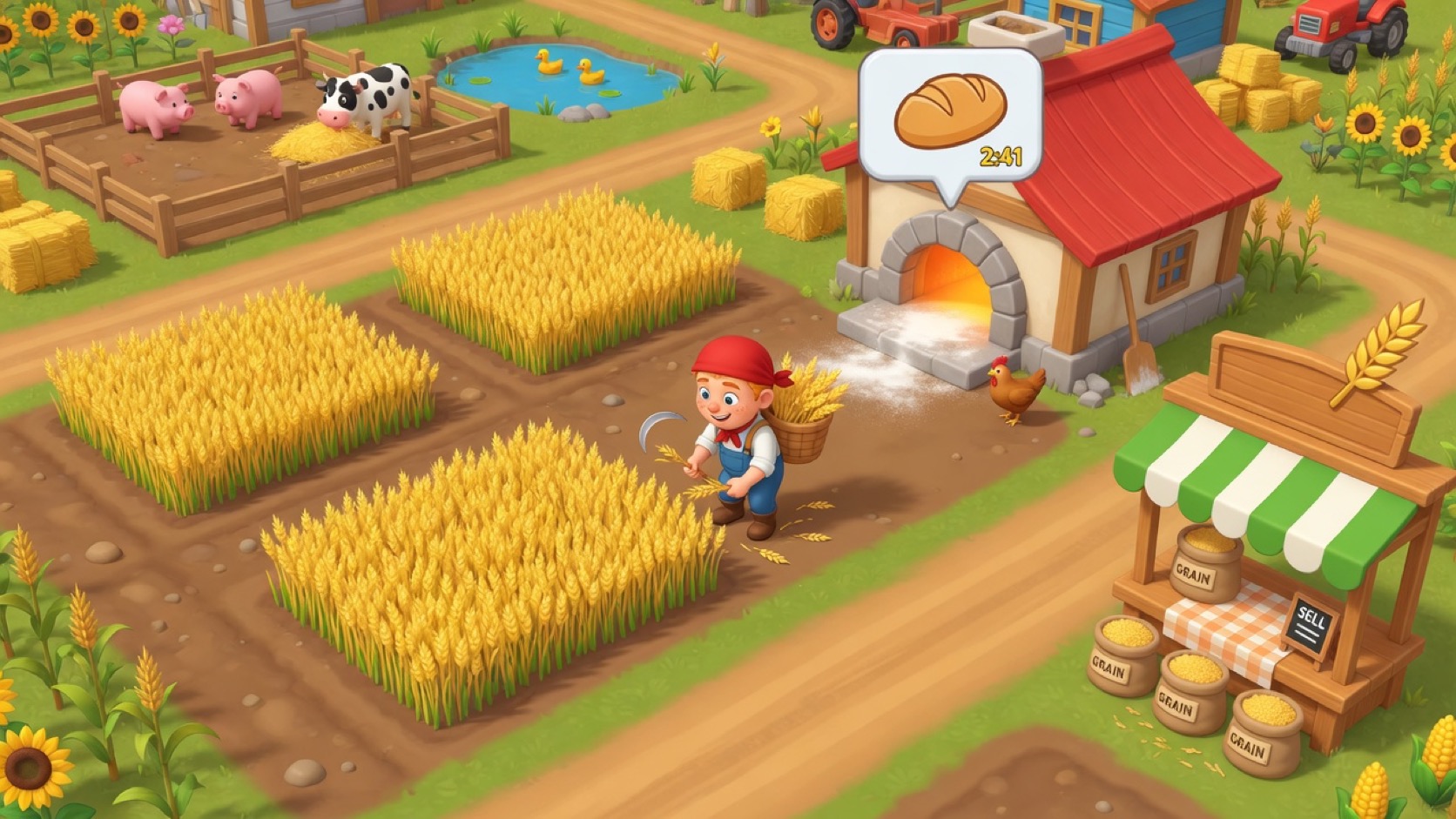
Editorial illustration: the crop is only step one—the farm becomes a game when bread, eggs, and shop crates share one barn.
Systems: Animals, Town, Valley, and Neighborhoods
Animals are a second production line. Chickens, cows, pigs, and other ranch residents turn feed into eggs, milk, bacon, and similar goods. Pets such as puppies, kittens, and bunnies are decoration and company more than factories. Machines—bakery, sugar mill, loom, cake oven, sewing machine—turn raw output into higher-value orders. Each new machine is both a gift and a new storage problem.
The map opens outward. Repair the fishing dock and you add lures and fish to the trade pool. Repair the train and Town visitors request goods. The Valley is the seasonal group space: play with friends through events that do not live on your home farm. Neighborhoods hold up to 30 players, chat, help, and weekly derbies. Derbies are how a casual farm becomes a schedule. Join a group whose derby ambition matches the time you have.
The August 17, 2026 update notes are small quality-of-life facts, not a new game: faster truck-order flow, clearer help indicators when you visit another farm, extra rewards after a finished Farm Pass, and clearer diamond confirmations. Log-in diamond gifts appear as limited shop claims. Those notes confirm two product truths: Farm Pass exists, and accidental diamond spends are common enough to need a better warning.
A first-week plan:
- upgrade silo and barn before you upgrade every pretty fence
- keep wheat and corn flowing; they feed everything else
- sell extras in the shop instead of hoarding "just in case"
- visit neighbors for help and newspaper trades
- delay derby commitment until the farm can fill a few tasks without panic
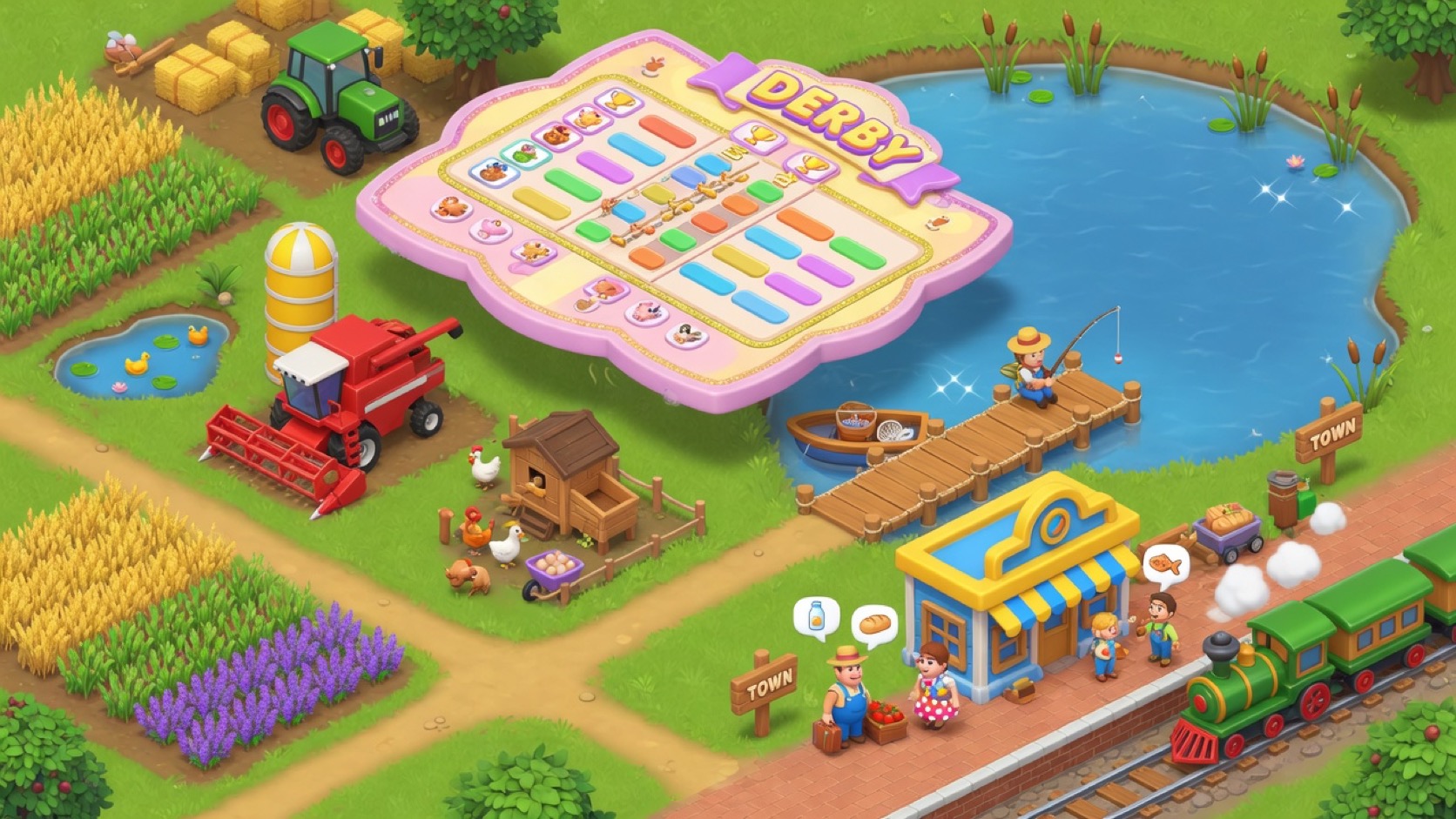
Editorial illustration: the home farm is yours—the Town, Valley, and derby are how other people's clocks enter the ranch.
Spending Risk: Diamonds, Random Items, and Social Pressure
Hay Day is free to play. The listing is equally clear that some items can be bought for real money, including random items, and that you should disable in-app purchases in device settings if you do not want that. Ads are also flagged. Diamonds skip waits, buy missing goods, and tempt you when a boat is one loaf short. Random items usually appear as chests, mystery decorations, or pass-adjacent rewards. A pretty fence is not a guaranteed fence.
A calmer spend policy:
- treat diamonds as emergency glue, not as a second harvest
- never buy a random decoration bundle to "finish" a collection
- read Farm Pass rewards before the season is half over
- use the new confirmation prompts; they exist because mis-taps happen
- turn on purchase authentication on any shared phone
Neighborhoods add a social cost that is not a price tag. Derby weeks can make a relaxed farm feel like a part-time job. Leave or mute a group that expects more help than you can give. Camera permission is only for QR features; you can refuse it. Notifications are optional.
Data-safety text says the app may share app activity and device IDs, may collect location, personal info, and other types, encrypts data in transit, and allows deletion requests. Bind the farm to a Supercell-supported login so a new phone is not a new tutorial. Several Play reviews mention that tutorial skip is weak when you change devices. That is a user complaint, but it matches the "network required, account matters" design.
The Everyone rating and cute animals make this look like a children's toy. The shop, chat, and random items make it a family-settings game. Use Supercell's parent guide if a child will play.
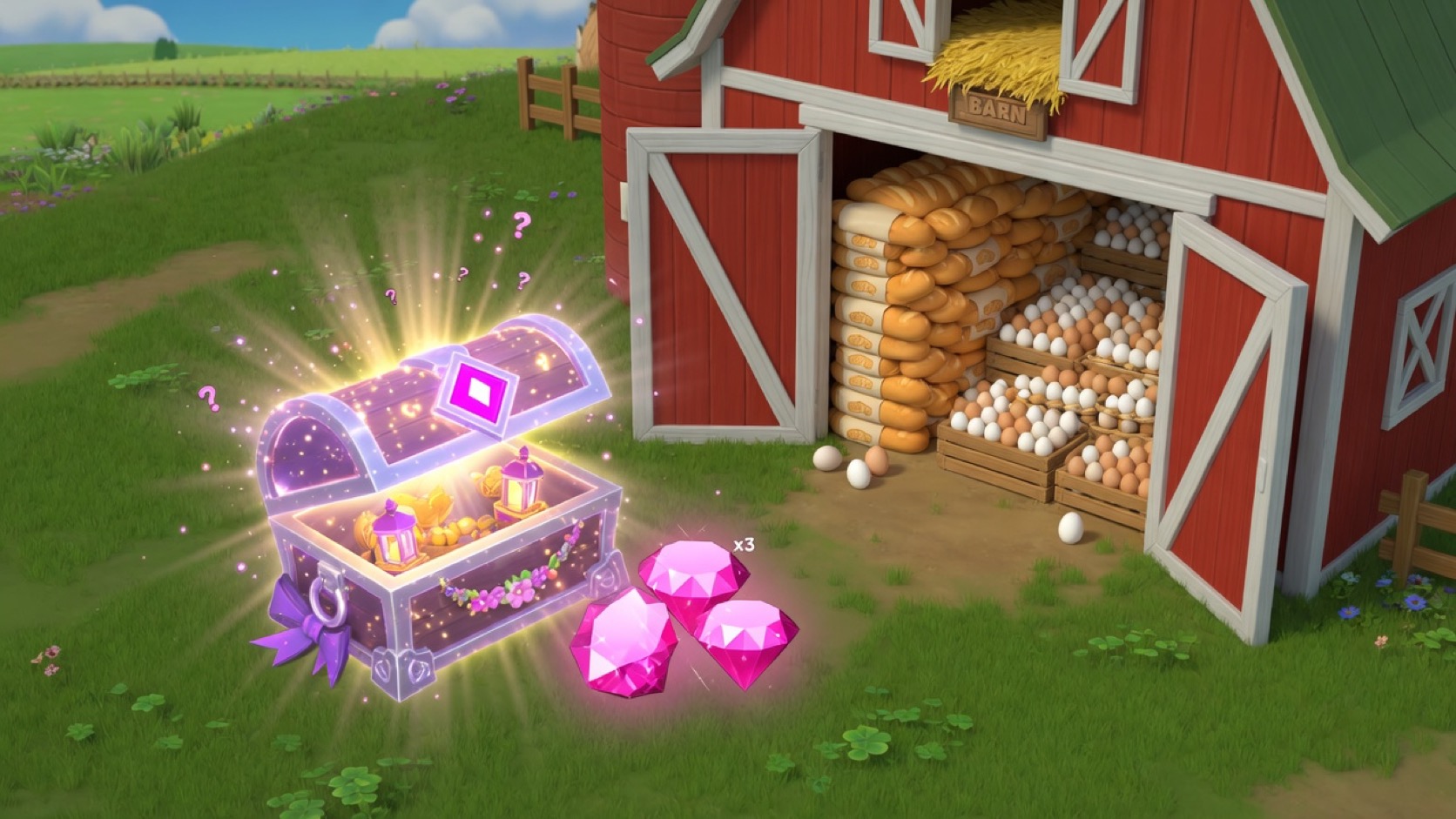
Editorial illustration: timers are the difficulty—diamonds only hide them, and random chests hide the price of a fence.
Who Should Play Hay Day?
Hay Day is for players who like production chains, trading with neighbors, and a farm that can sit for years. It fits people who enjoy decorating, filling orders, and checking a roadside shop on a lunch break. It is a weaker fit if you want an offline farm, a game without ads or IAP, or a short campaign with an ending.
If you liked Stardew Valley's paid, timer-free days, this is a different hobby: friendlier art, heavier waits, and a live-service shop. If you want a social ranch and accept that, Hay Day is still one of the clearest examples.
Strengths and Weaknesses
Strengths
- Clear farm-to-factory-to-shop loop
- Animals, fishing, Town, and Valley add maps without abandoning the ranch
- Neighborhoods and derbies give optional social structure
- Crops do not die, so a missed day is not a wipe
- Regular quality-of-life updates still arrive
Weaknesses
- Ads and IAP, including random items
- Network required; the farm is not a true offline toy
- Storage and timers become the late-game
- Derbies can turn a casual ranch into homework
- Some decorations and extras lean on the shop
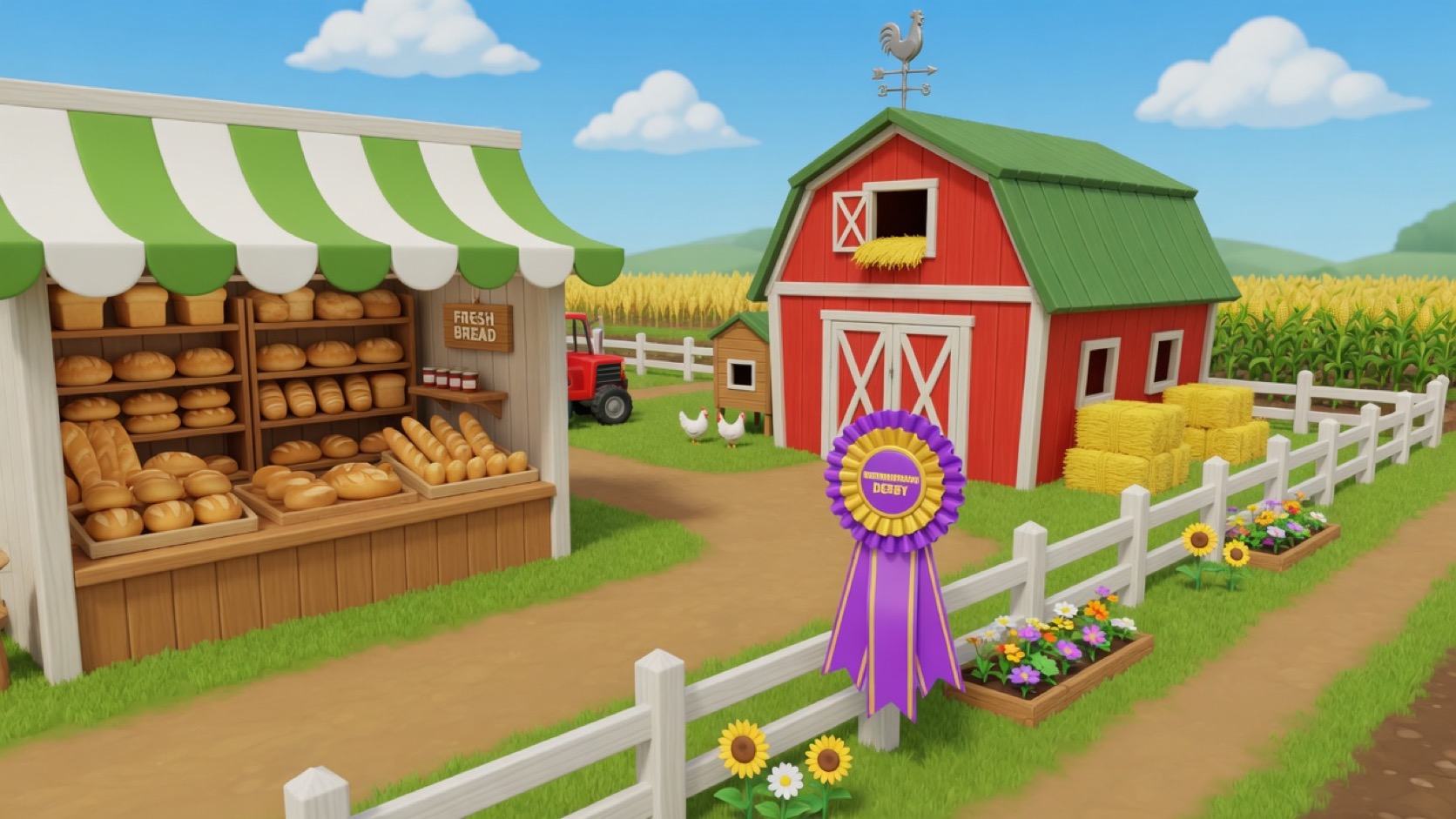
Editorial illustration: grow the farm at the speed of bread, not at the speed of a diamond sale.
Final Verdict
Hay Day remains a friendly, long-running ranch whose real puzzle is inventory and patience. You plant, cook, trade, and decorate. Friends make the newspaper useful. Diamonds and random items make the same loop faster and louder. The August 2026 listing still includes ads, a required network, and purchases that include random items.
Play it if you want a farm you can visit for a decade in twenty-minute bursts. Skip the shop until the barn, not the catalog, is your problem. With purchase locks on and a neighborhood that respects your time, Hay Day is still a warm place to grow wheat—just not a place that grows it for free in every sense.


