
Hello Neighbor Review: A Messy but Memorable Stealth-Horror Sandbox



Hello Neighbor is a single-player stealth-horror game about entering a suspicious house and discovering what is hidden below it. Instead of guiding the player through a fixed corridor, it offers a physics sandbox full of windows, boxes, doors, distractions, and risky shortcuts.
This Hello Neighbor review focuses on the current core experience rather than a temporary event. Live rewards, balance, prices, and availability can change by region or update, so the official listing and in-game notices remain the final reference for time-sensitive details.
The House Is the Puzzle
Each attempt begins outside the house. The player observes the Neighbor, searches for access, carries and throws objects, solves environmental puzzles, and tries to reach new areas without being caught. Failure returns the player to another attempt with more information.
The important systems are connected:
- the house is a spatial puzzle with several possible routes.
- physics objects can create stairs, distractions, or unintended chaos.
- the Neighbor reacts to repeated approaches and may place traps.
- stealth, exploration, and puzzle logic matter more than direct combat.
During the first hour with Hello Neighbor, use the game's feedback to understand success rather than accelerating progression. Identify the resource that limits the next decision and the mistakes that normal play can correct. That foundation matters more than collecting rewards whose purpose is still unclear.
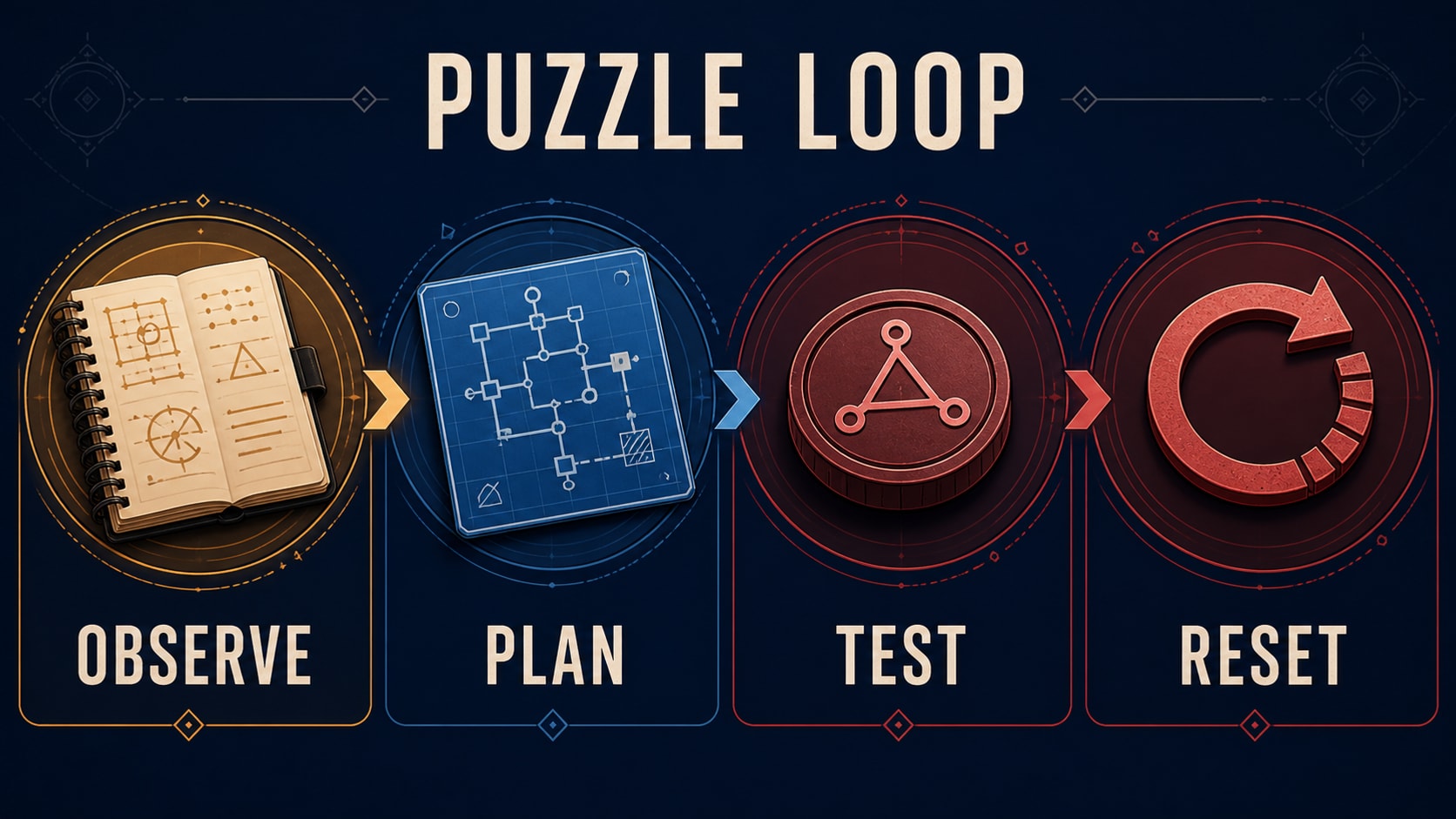
Editorial illustration: the core loop becomes easier to manage when each decision has one clear purpose.
A Better Beginner Strategy
Treat every failed attempt as reconnaissance. Identify one door, key, switch, or route to investigate, then leave with that knowledge. Repeating the same window teaches the Neighbor where to prepare, so change height, entry point, or distraction when a route becomes predictable.
A practical starting plan is simple:
- drop important objects in a memorable safe location.
- look for sight lines before making noise.
- test one physics idea at a time.
- take a break when unclear puzzle logic turns into random searching.
Do not interpret a weak Hello Neighbor session as proof that the account needs more power. First ask whether the problem came from information, timing, positioning, resource use, or an unsuitable objective. A long progression system can make the store look like the fastest answer even when a change in approach would solve the same problem.
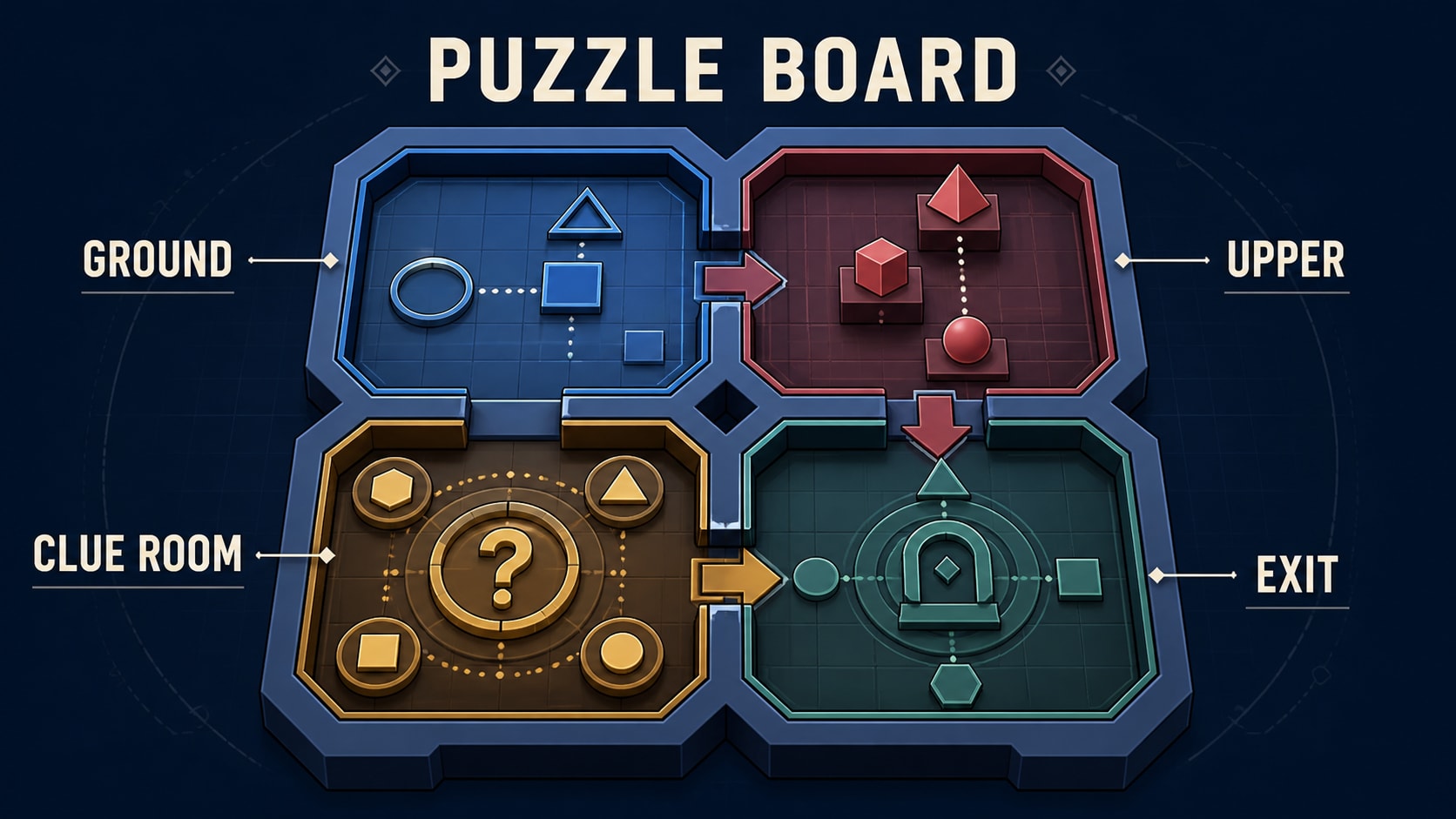
Editorial illustration: planning one step ahead is more reliable than reacting to every prompt.
Progression Works Best With a Narrow Goal
Progress comes from understanding the house and opening access rather than collecting levels. Later acts change the environment and the kind of puzzle being solved, so habits learned early do not answer every situation.
For Hello Neighbor, choose one short-term objective and one long-term objective. The short goal should improve a repeatable part of the current loop. The long goal can guide upgrades and collection without turning every event into an obligation.
Important limits include:
- physics behavior can be inconsistent.
- the game's logic is intentionally indirect.
- mobile controls may make precise object handling harder.
- the stylized horror tone may still be unsuitable for younger or sensitive players.
If Hello Neighbor presents premium currency, passes, randomized rewards, or rotating offers, set a spending amount before opening the store. On a family device, enable purchase authentication. Time is also a cost, so a planned stop point protects the quality of the next session.
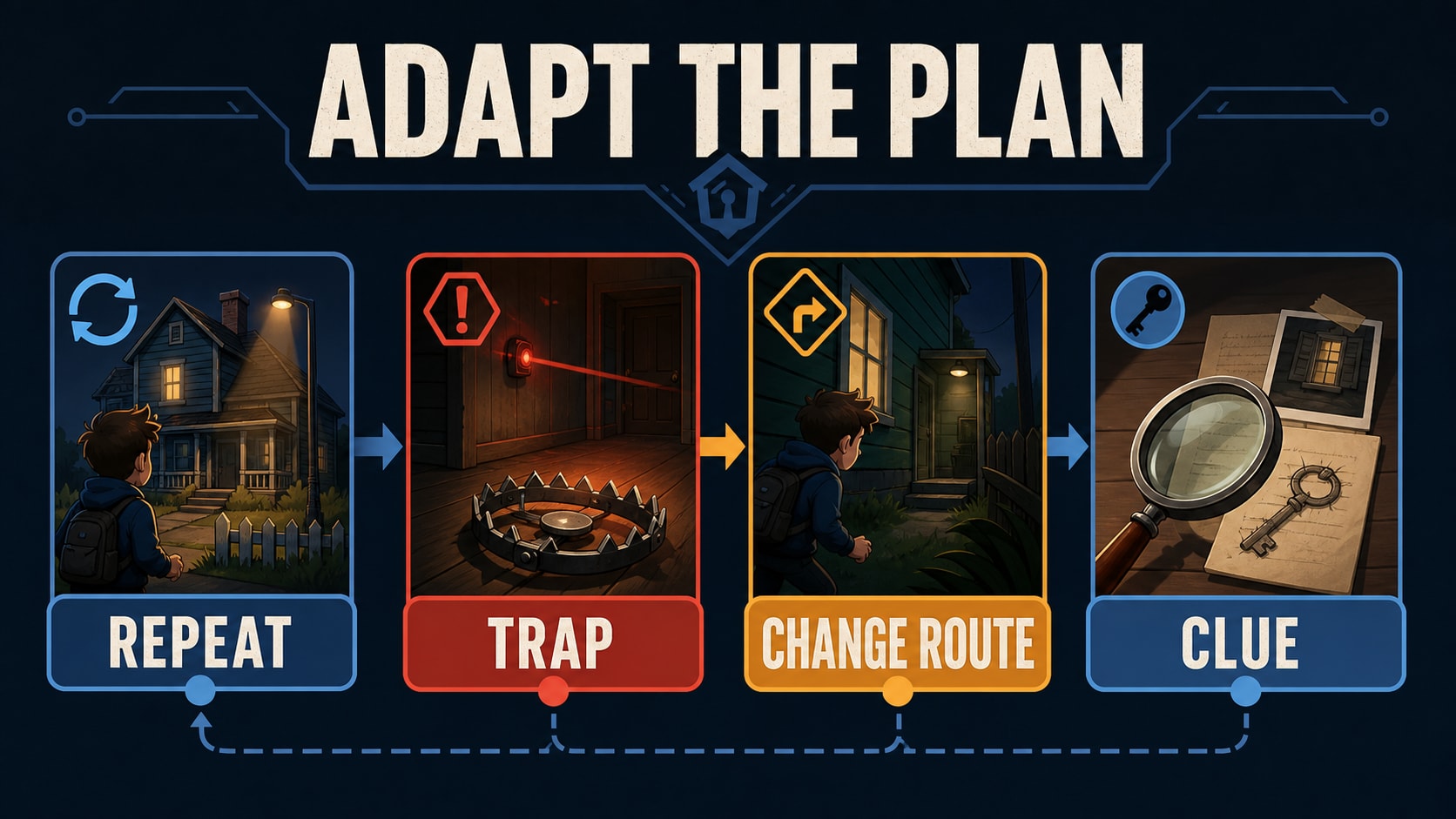
Editorial illustration: a narrow upgrade plan keeps long-term progression readable.
Who Should Play It?
Hello Neighbor is best for players who enjoy experimental stealth, environmental puzzles, and discovering routes through repeated attempts. It is harder to recommend if you need precise simulation, clear objective markers, or predictable enemy behavior.
Before a longer Hello Neighbor session, device and network conditions matter as much as the headline feature list. Leave storage space for updates, prefer a stable frame rate over maximum visual settings, and use a trusted network for large downloads. When online interaction is present, keep personal contact details outside public chat and use the game's reporting and blocking tools.
Strengths and Weaknesses
Strengths
- Distinct house-as-sandbox premise.
- Several ways to approach obstacles.
- Memorable adaptive-antagonist idea.
- Strong visual identity without constant scripted scares.
Weaknesses
- Physics can undermine careful plans.
- Puzzle communication is uneven.
- Touch controls add friction.
- Trial and error can become aimless.
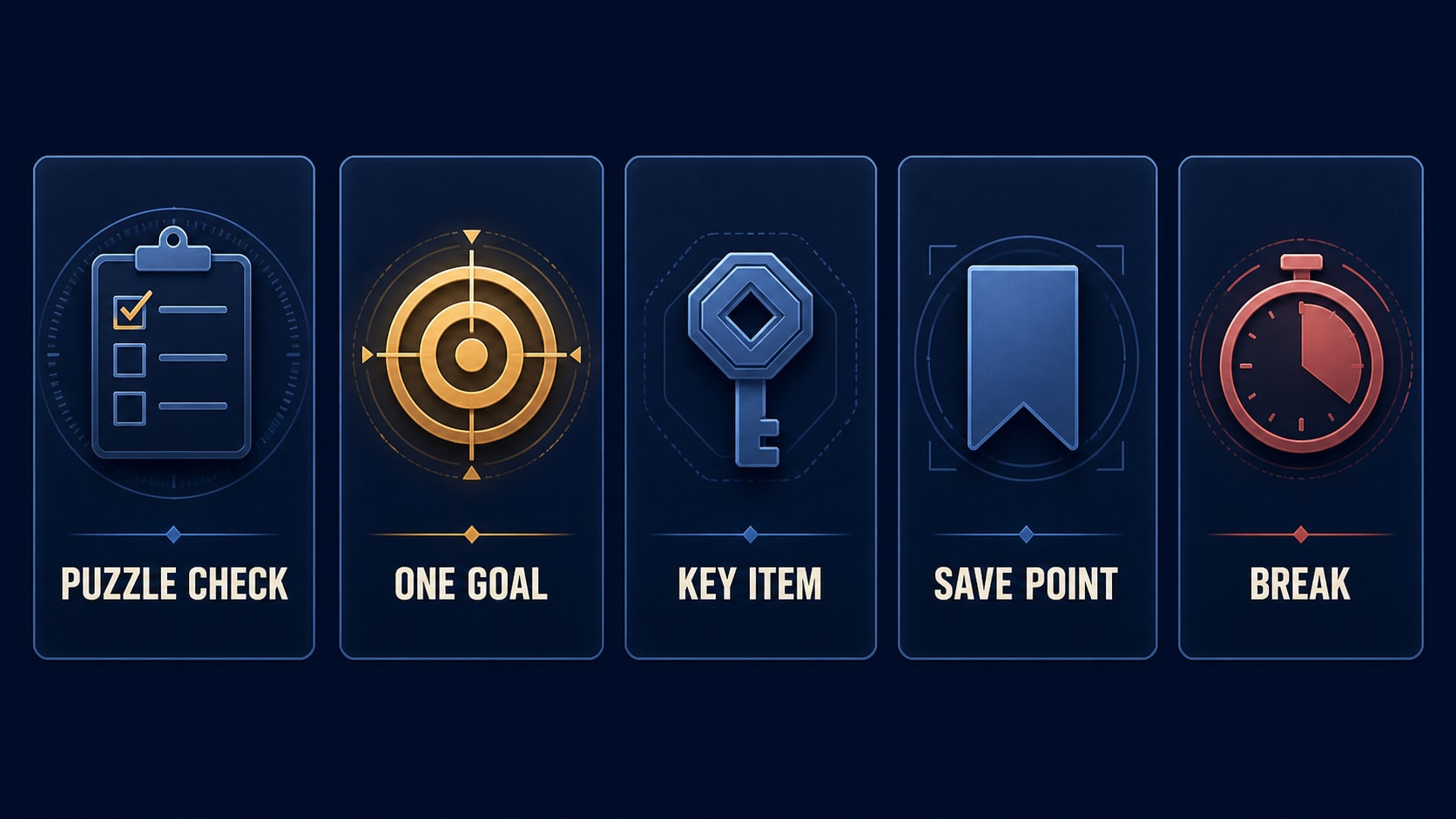
Editorial illustration: check the goal, technical conditions, budget, and stop point before another session.
Final Verdict
Hello Neighbor is more interesting than polished. Its strongest moments happen when a strange plan works and reveals a new part of the house; its weakest arrive when physics or unclear logic hides the lesson. Patient players who enjoy experimentation will forgive more of that friction.
For Hello Neighbor, the safest download choice is the exact APKHub package associated with this article. Confirm the package identifier before installing, keep the device operating system updated, and review the permissions requested by the current build rather than assuming that an older description is still complete.


.webp?x-oss-process=image/resize,w_80/format,webp)